
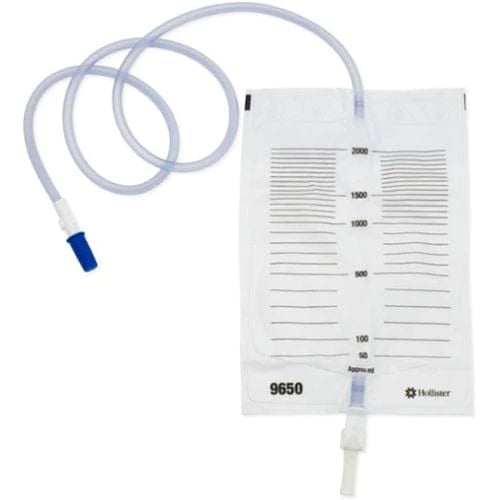

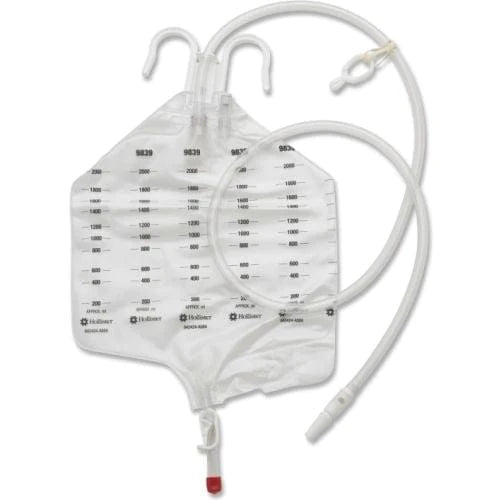
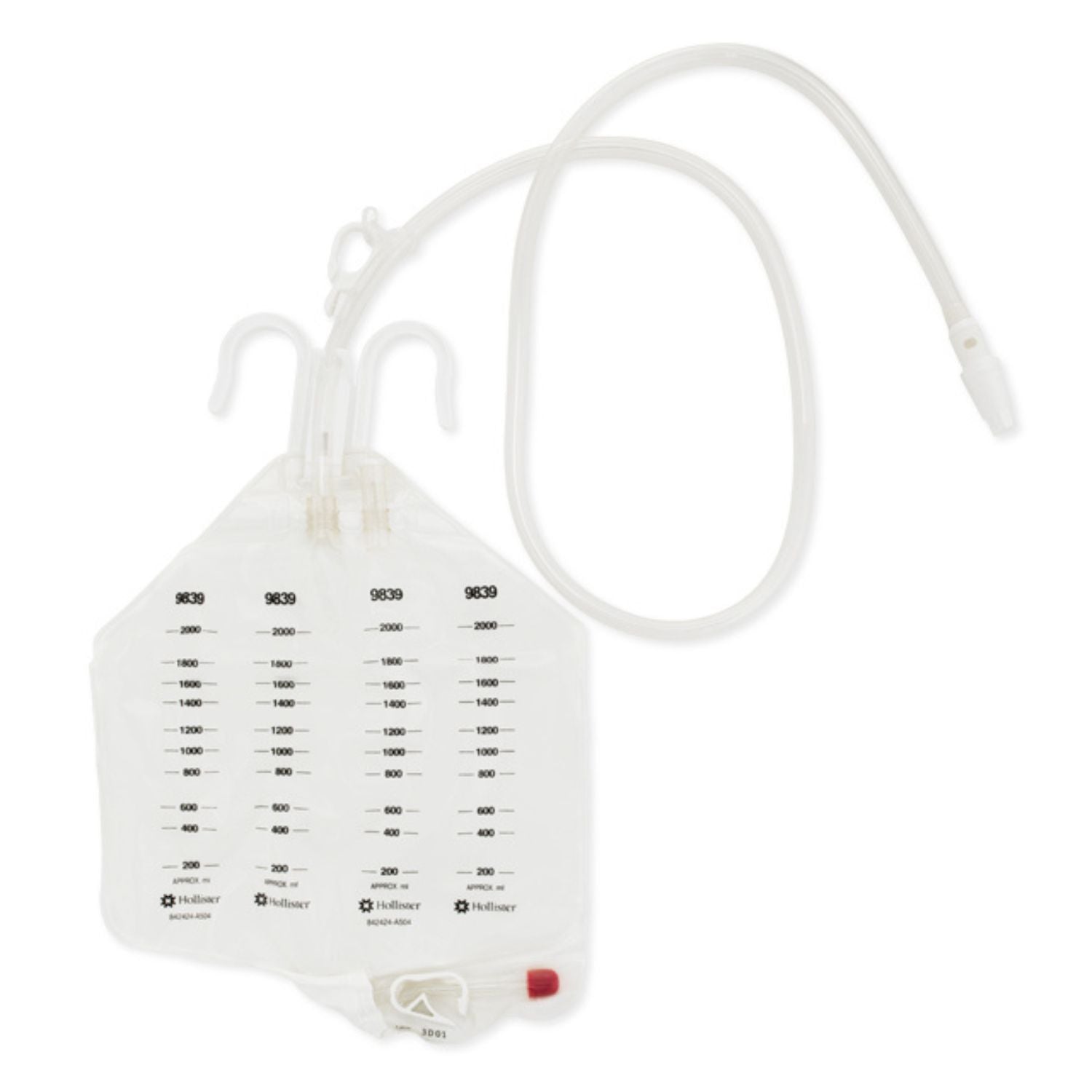
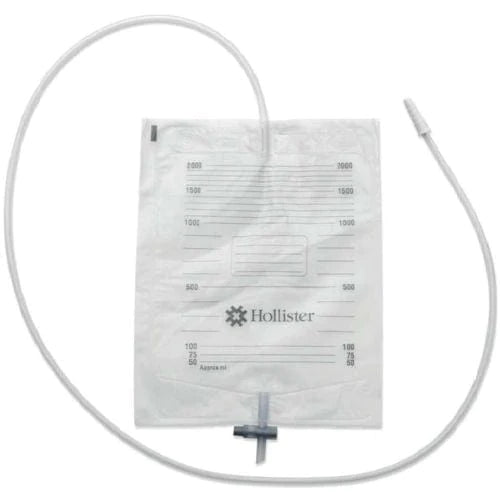

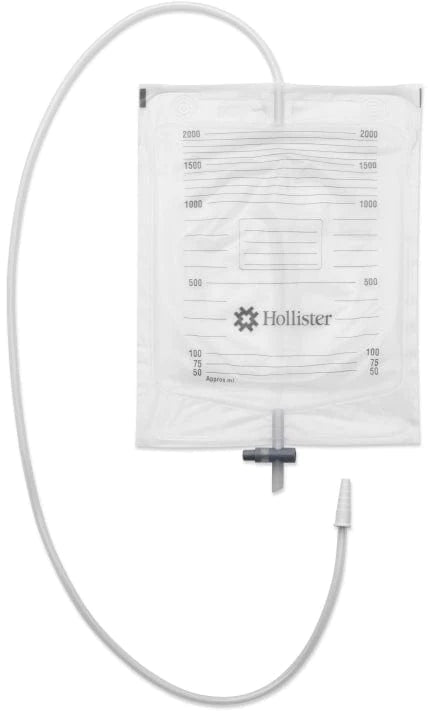

Key features:
- Drainable and non-drainable Hollister options
- Sterile and non-sterile options included
- T-Tap drainage outlet styles available
What to Check Before Connecting the Bag
A Hollister drainage bag should match the catheter, drainage system, and care routine being used. Capacity is important, but the smaller details often make the difference during daily or overnight use.
- Check whether the product is sterile or non-sterile before opening the pack.
- Confirm the tube length gives enough room for the person to sit, rest, or move without pulling.
- Make sure the outlet tap is closed before connecting or positioning the bag.
- Keep the bag supported below bladder level so urine can drain correctly.
- If the person uses a catheter during the day, related catheters may need to be checked for compatibility.
- For broader comparison across urine collection products, the drainage bags range may also be useful.
Handling and Disposal Notes
These products are used for urine collection, so handling should be clean, careful, and consistent. Wash hands before touching the bag, tubing, or catheter connection, and avoid touching sterile connection points where possible.
The bag should be emptied or disposed of according to the product instructions and clinical advice. If the bag leaks, becomes blocked, has a damaged tap, or no longer drains properly, it should not be reused. Seek guidance from a nurse, continence advisor, or healthcare professional if there is pain, fever, cloudy urine, leakage around the catheter, or signs of infection.
FAQs
T-Tap refers to the outlet style used to empty the drainage bag. It is designed to help control emptying, but the tap should always be checked to make sure it is fully closed before the bag is connected or moved.
The right choice depends on the care routine and clinical instructions. Sterile products may be needed in some catheter or healthcare settings, while non-sterile options may suit other drainage routines when clinically appropriate.
Tube length affects where the bag can sit and whether there is enough slack to avoid pulling on the catheter or drainage line. For bedside use, the tube should allow comfortable positioning without kinking, twisting, or getting trapped.
Some 2000ml drainage bags may be suitable for overnight or bedside drainage when used with the right setup. The bag should stay below bladder level, the tubing should remain clear, and product instructions or clinical advice should be followed.