
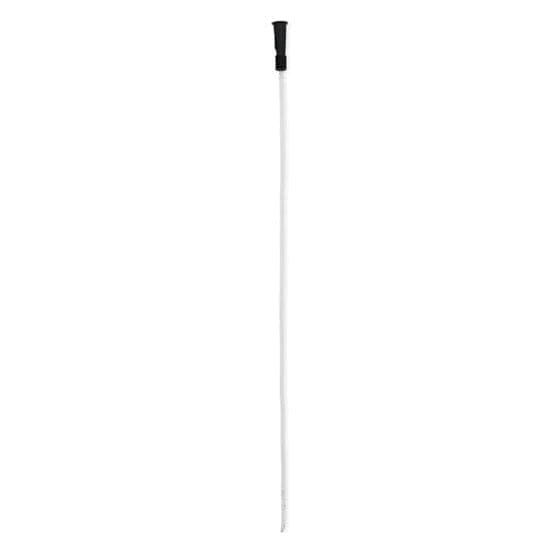

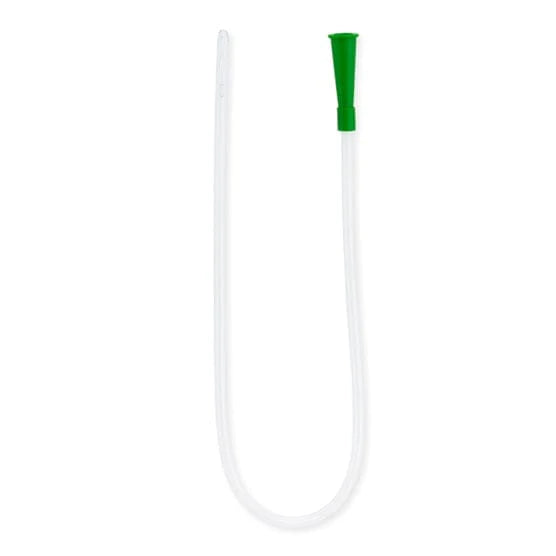
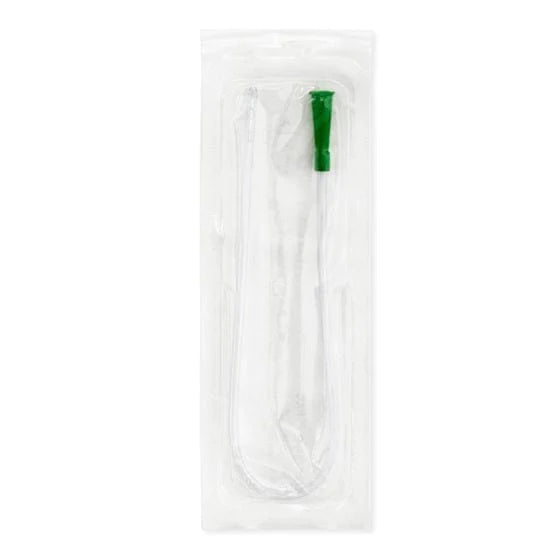

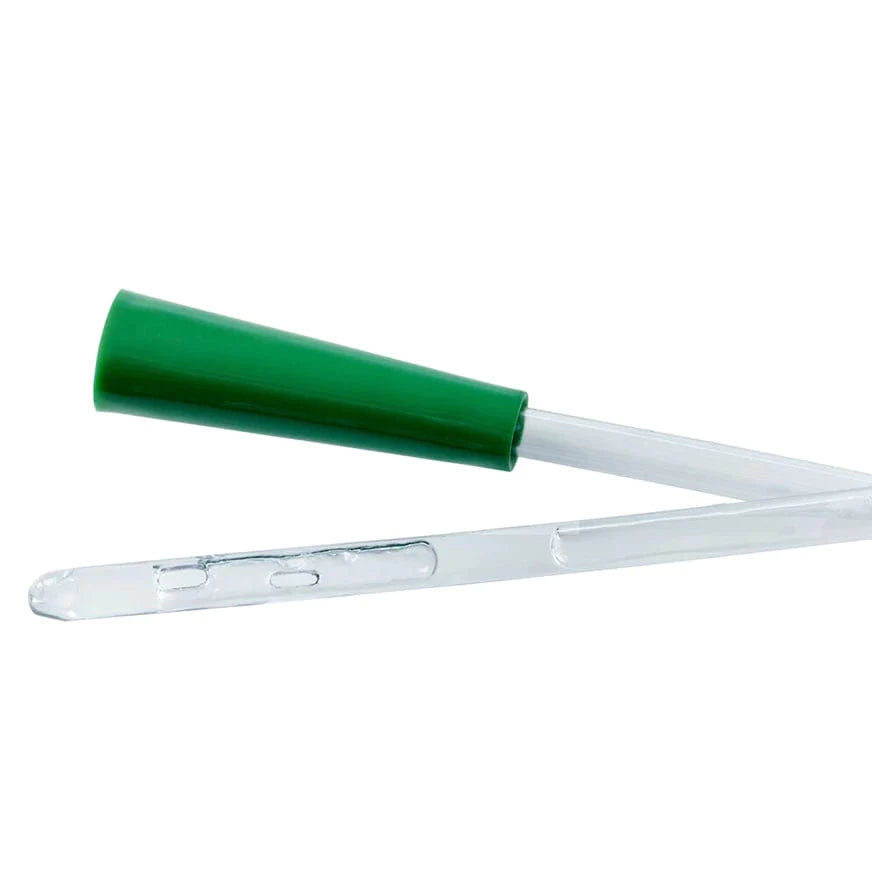





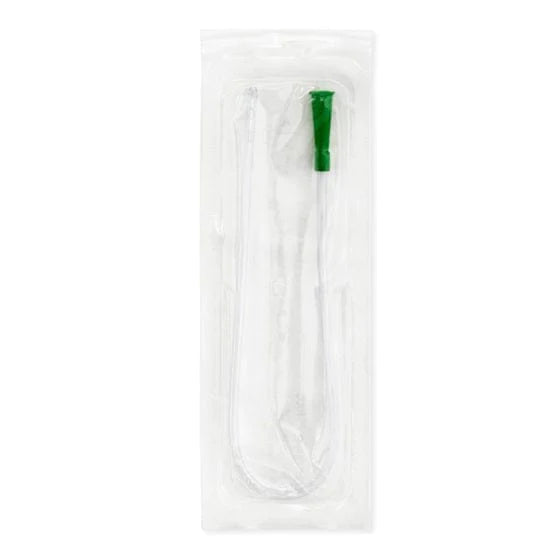

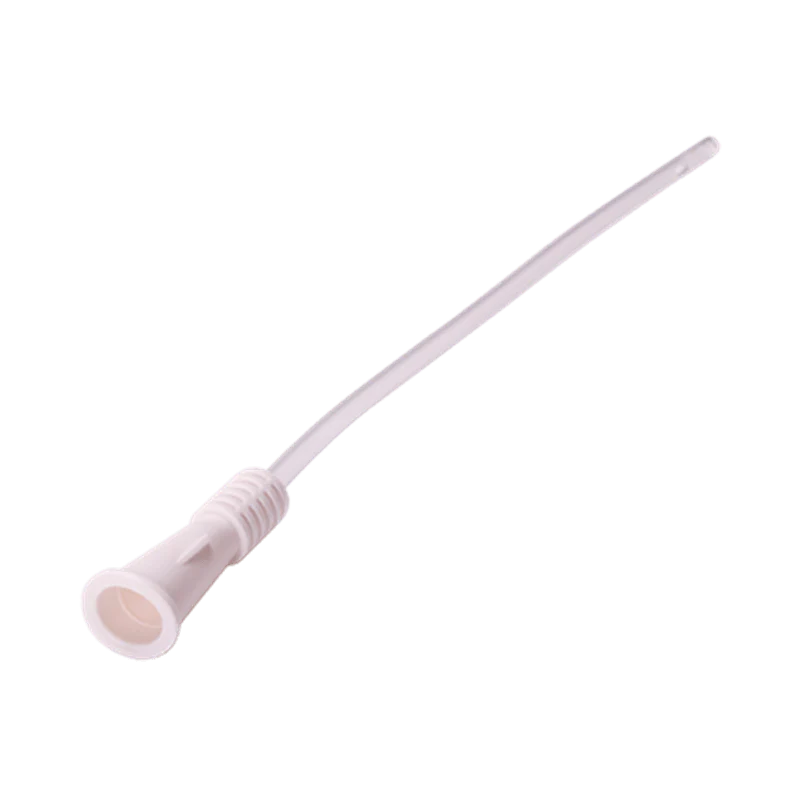
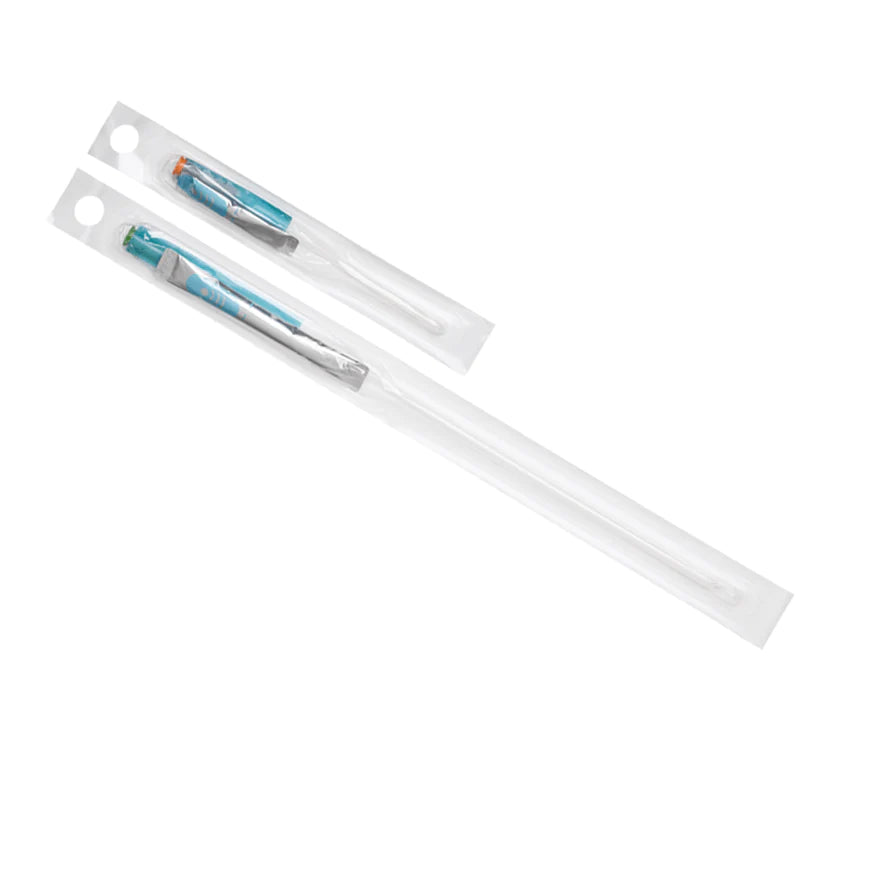
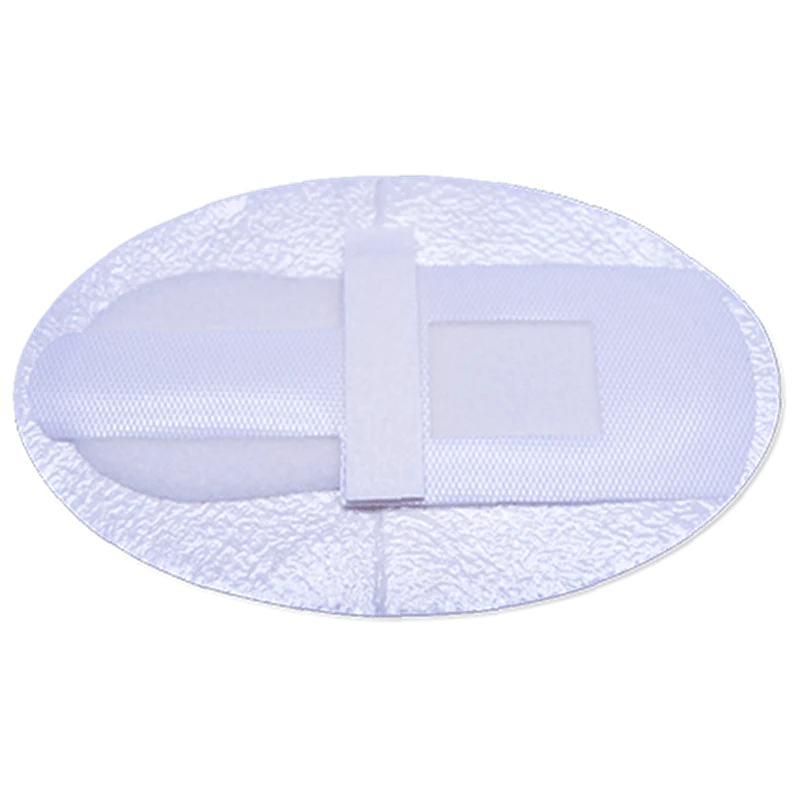


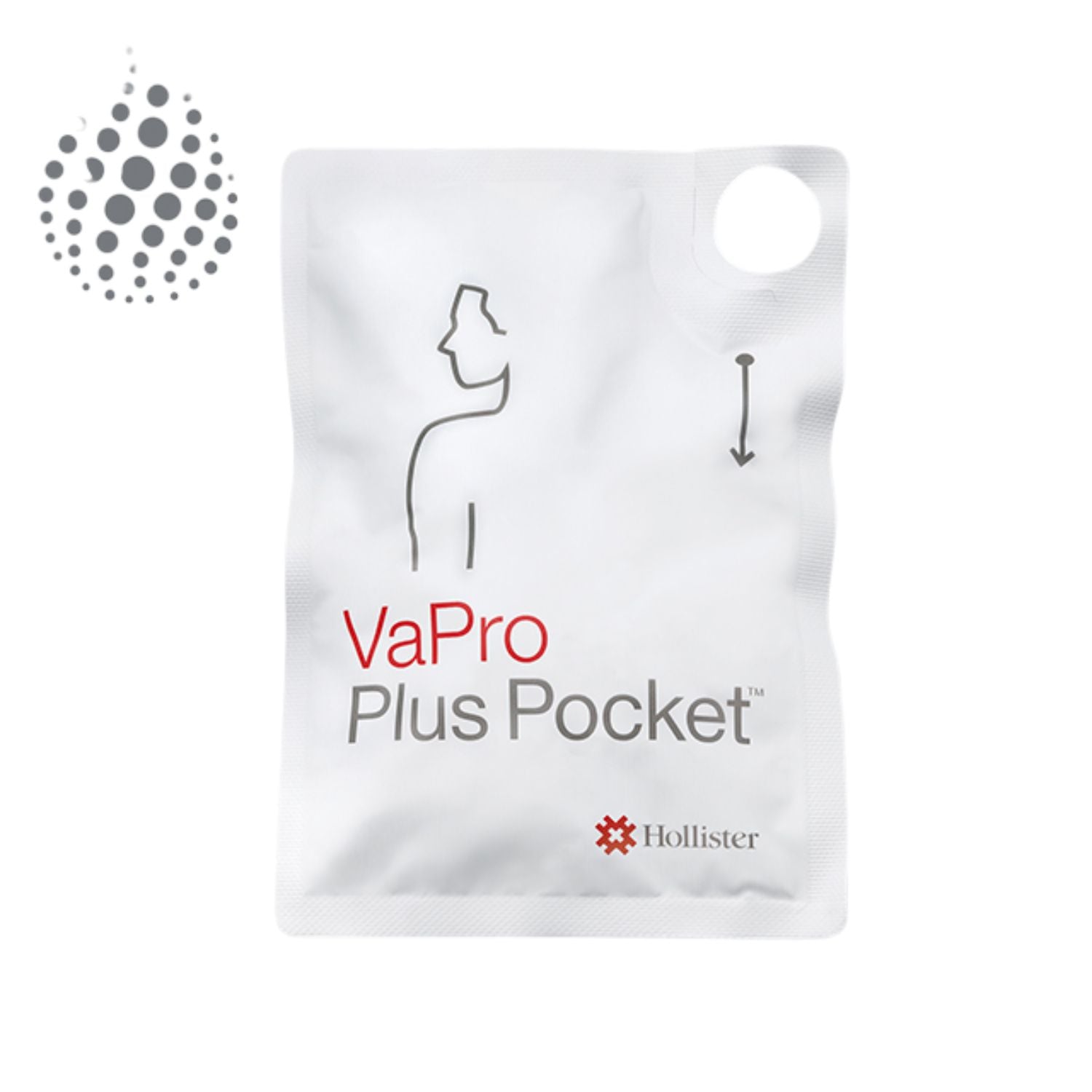
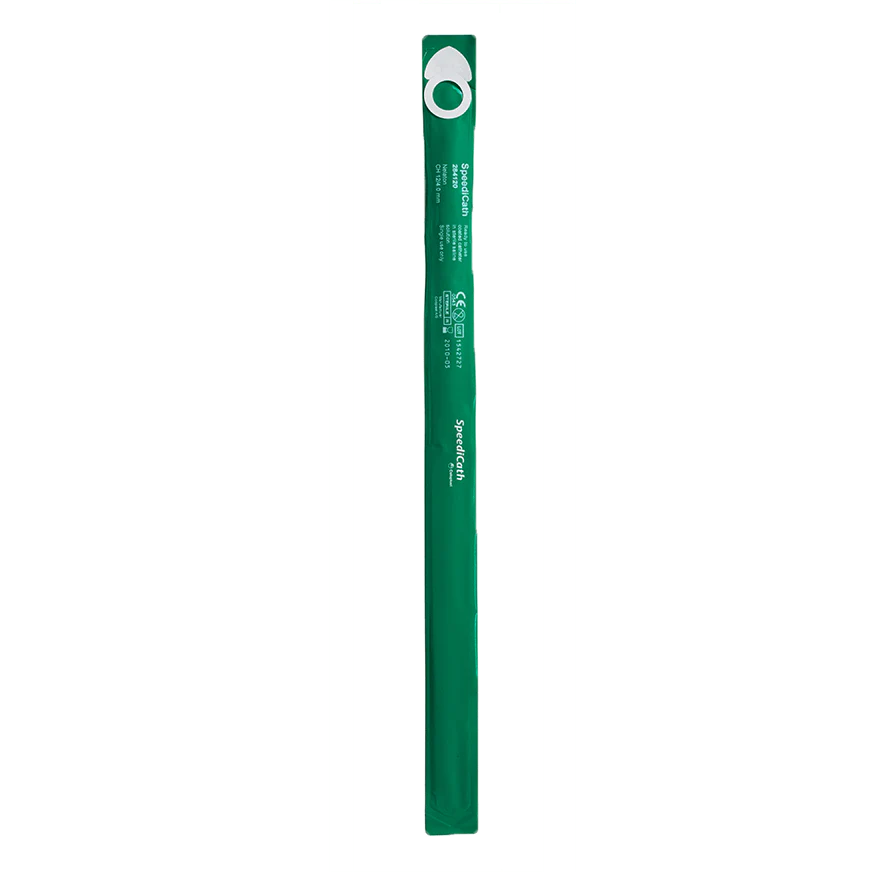
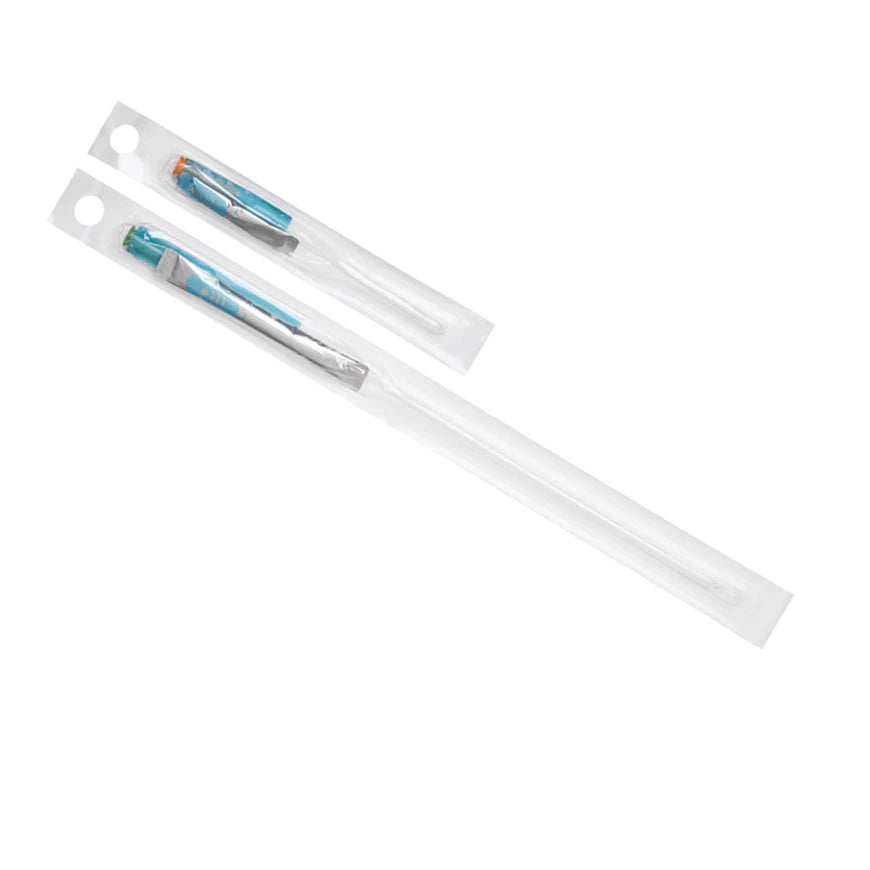
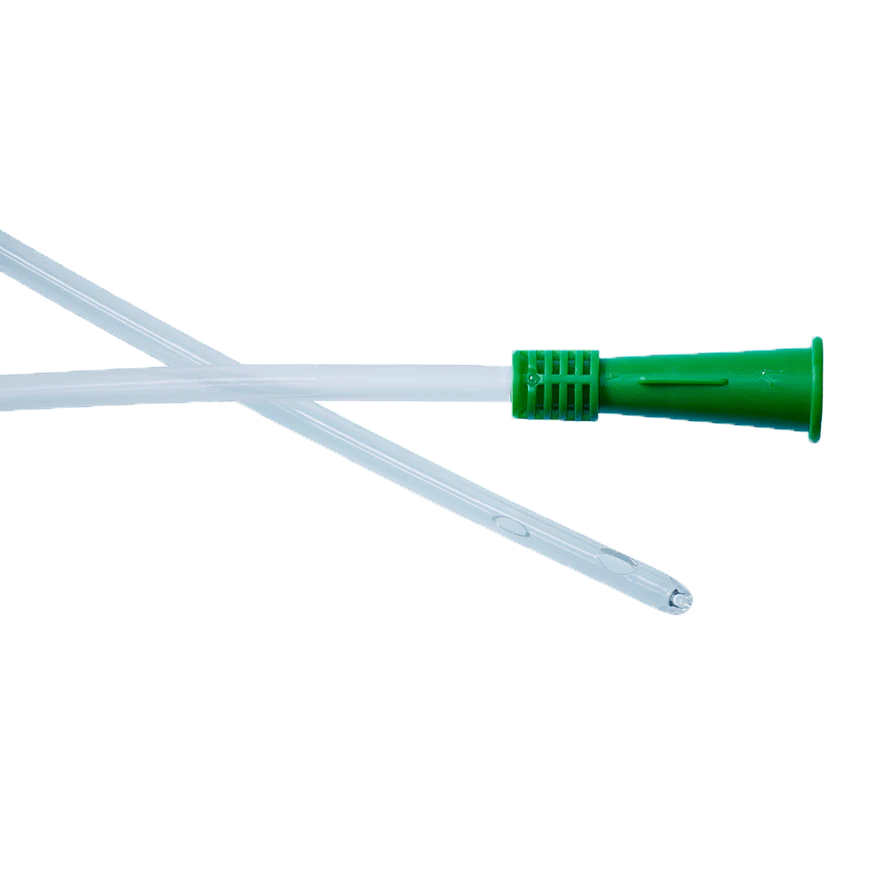
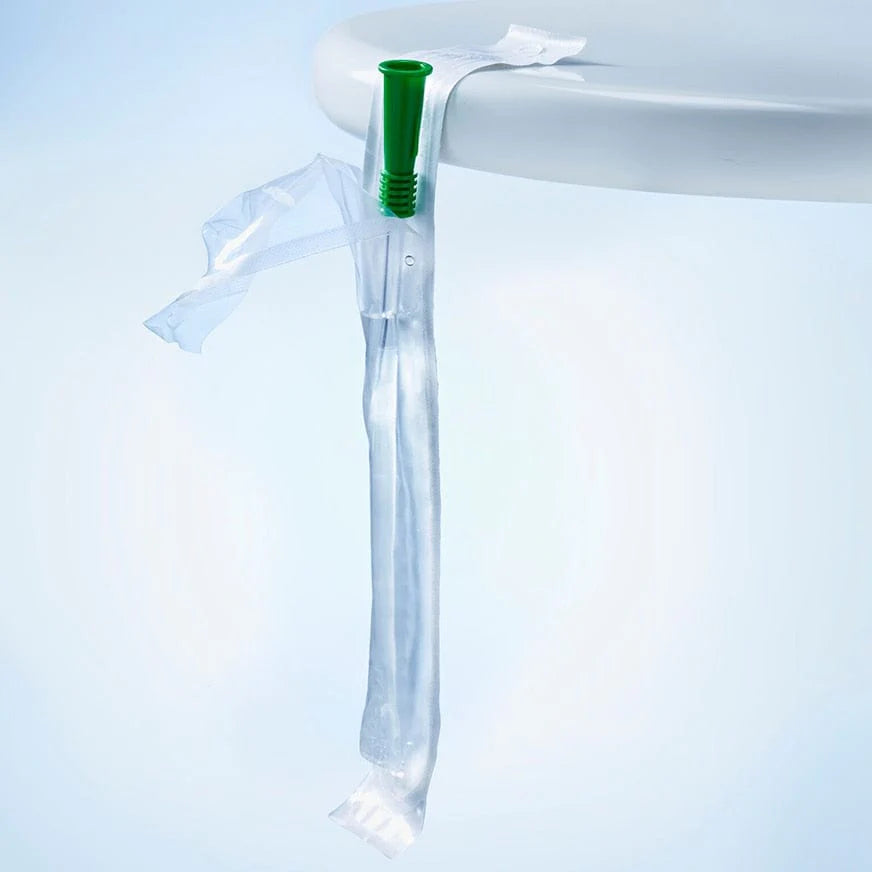


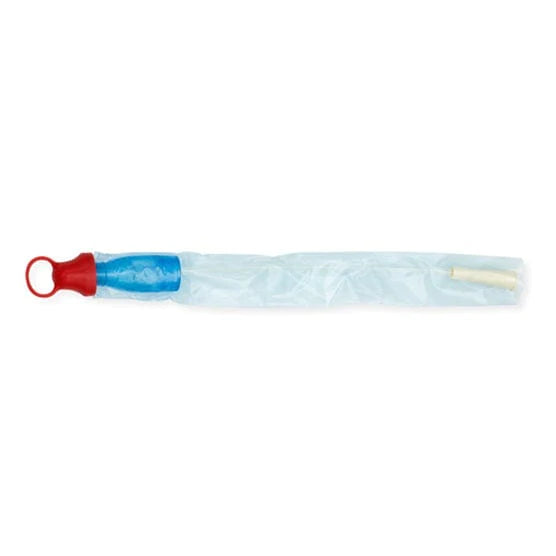
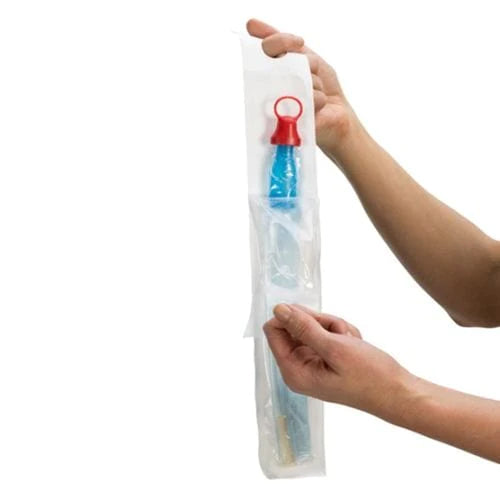

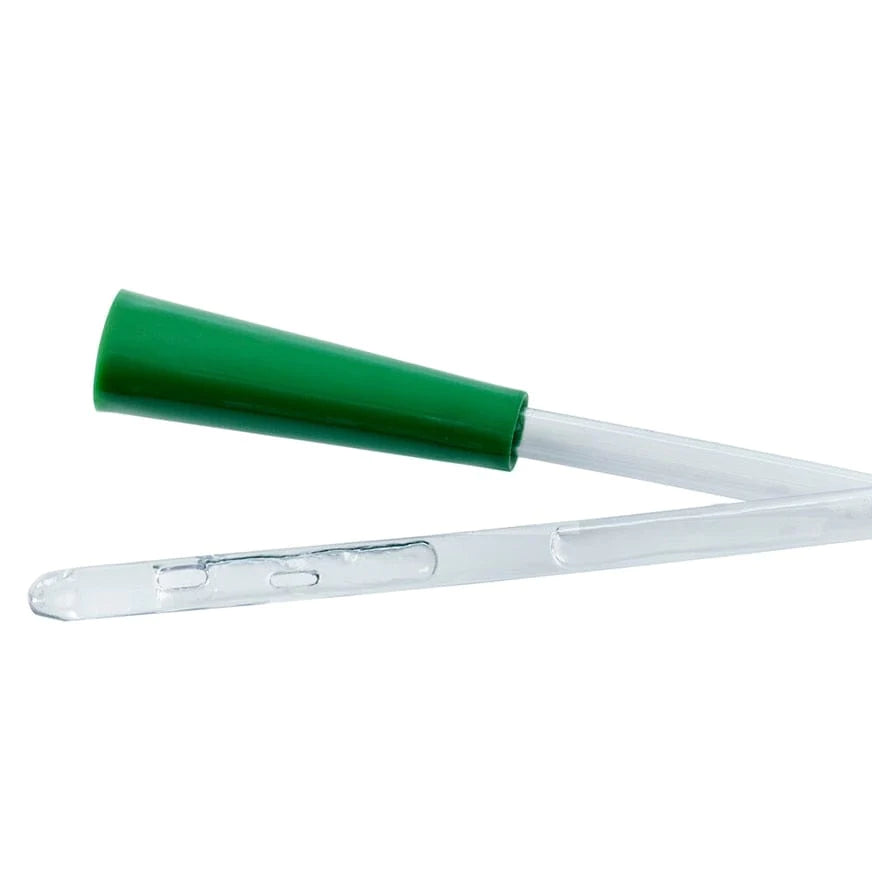
Key features:
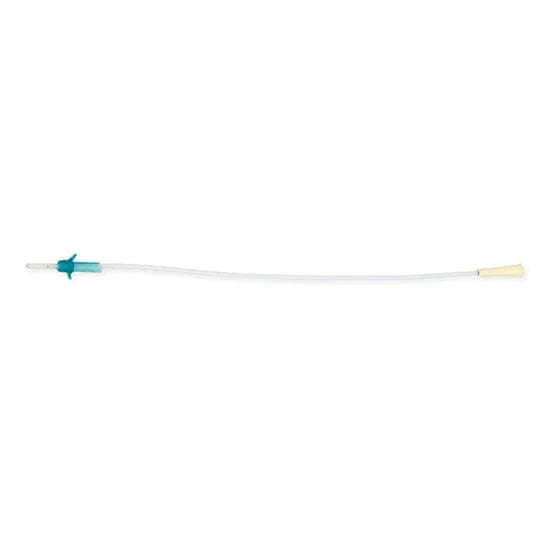
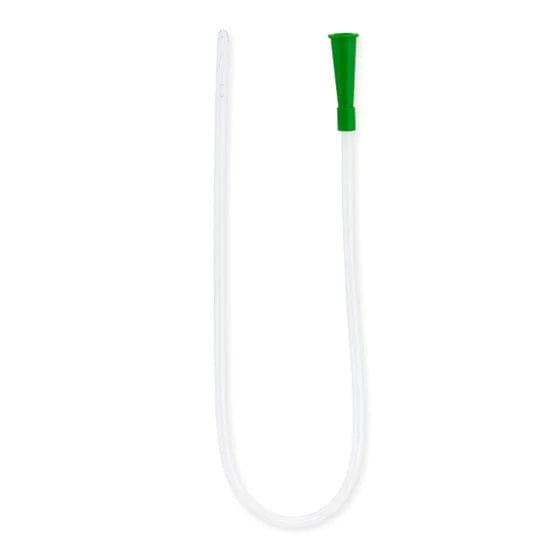
- Male and female catheter length options available
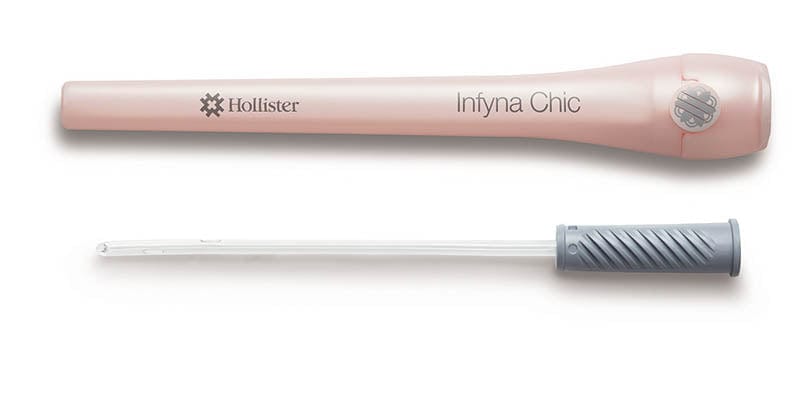
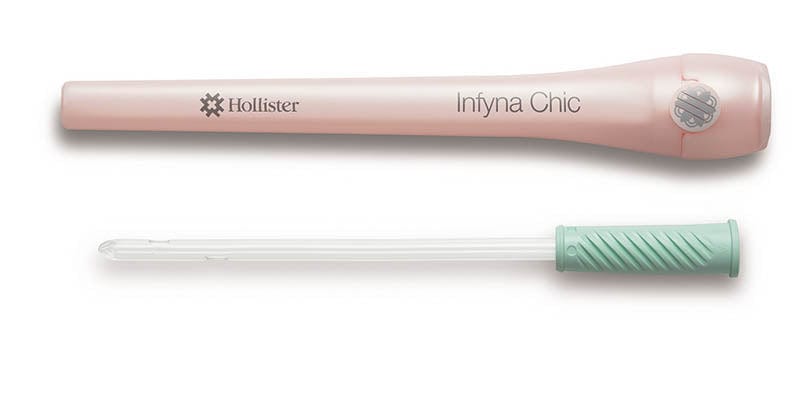
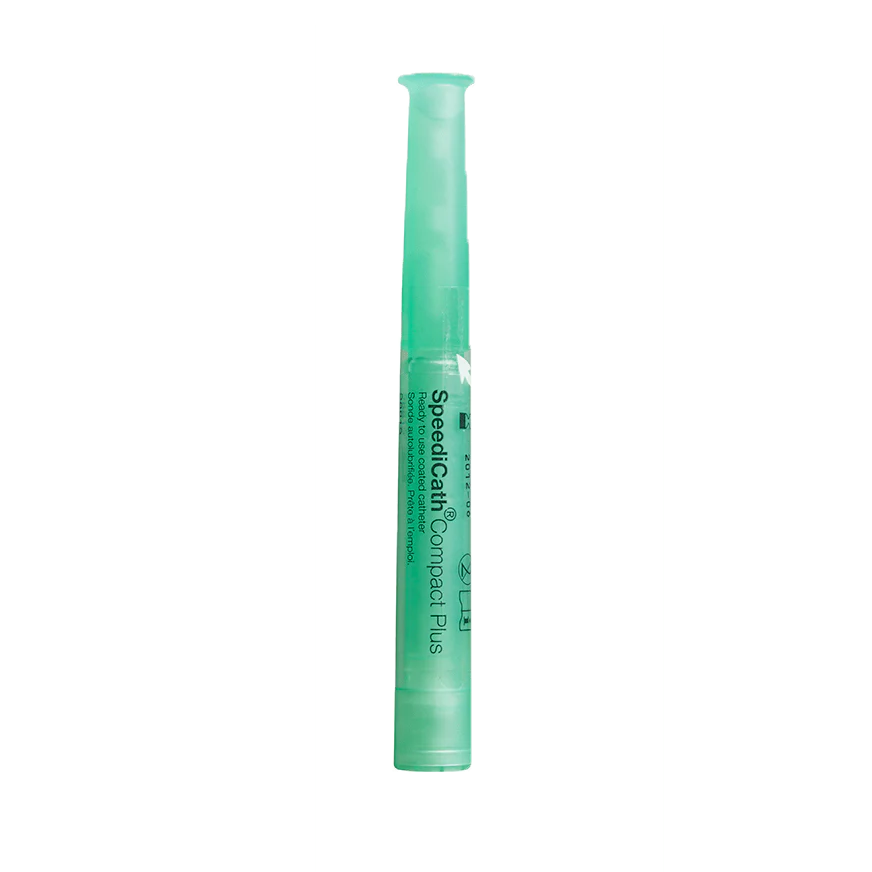
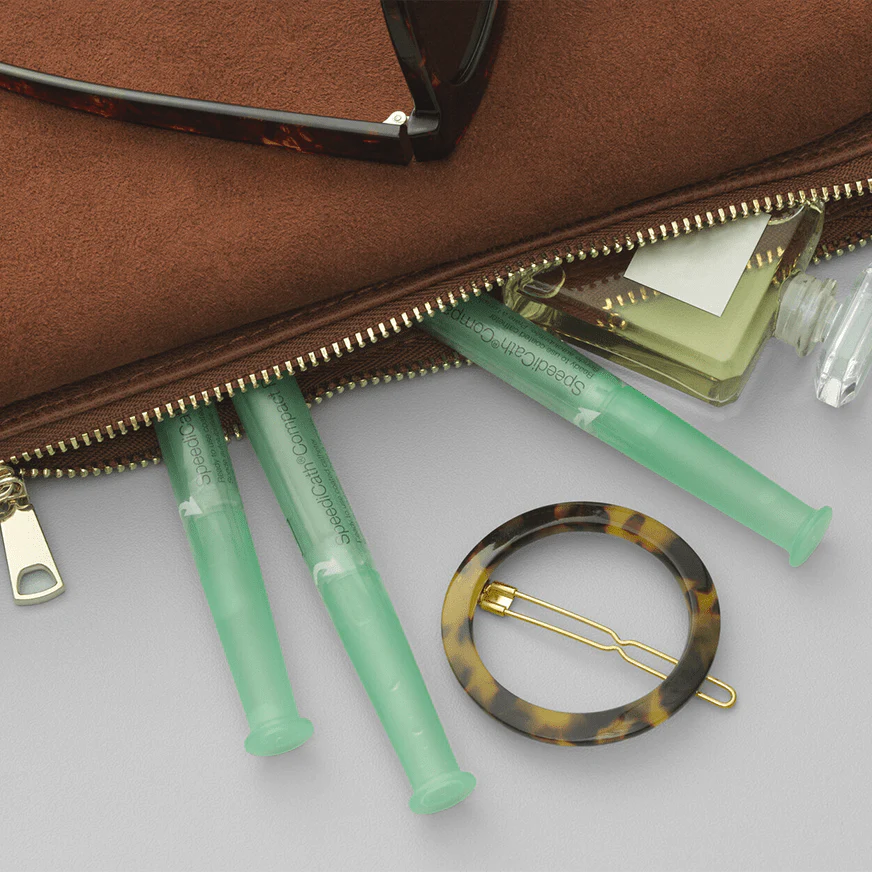
- Standard, compact, and pocket styles included
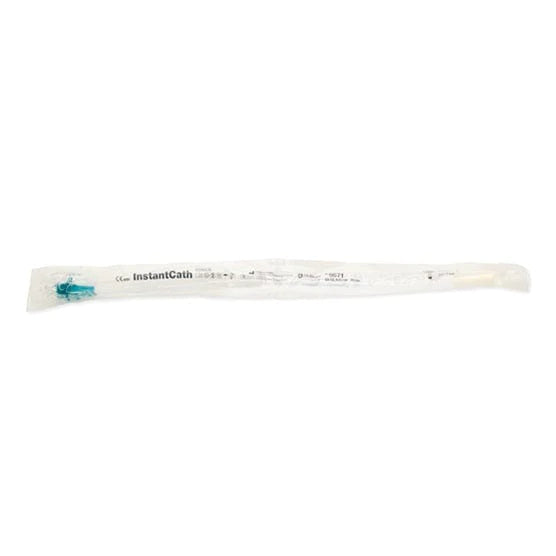
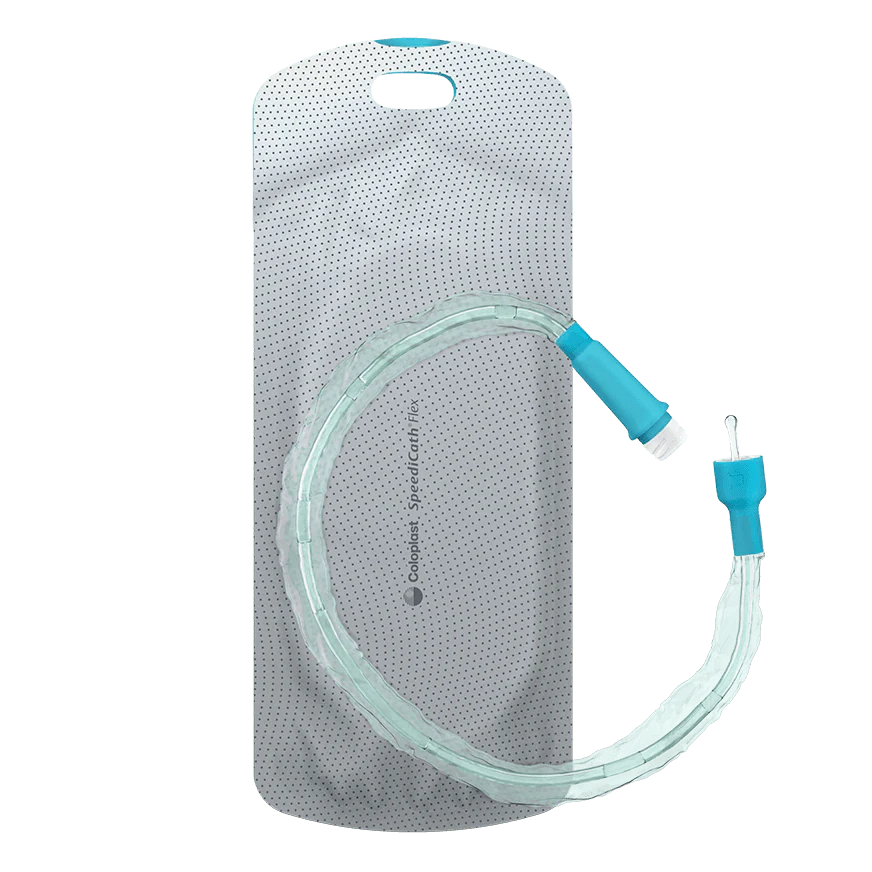
- No-touch and ready-to-use options available
- Hydrophilic and uncoated catheter styles included
- Firm and soft catheter options depending on the product
- Single-use design for each catheterisation
Choose by Handling Style and Catheter Routine
The right intermittent catheter depends on the catheter routine, anatomy, and how the product will be handled during use.
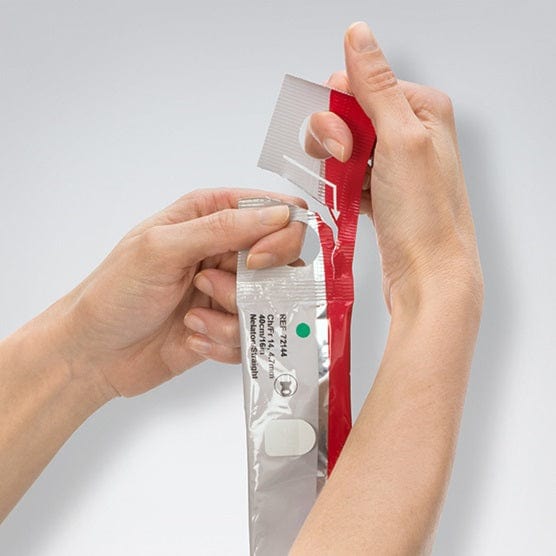
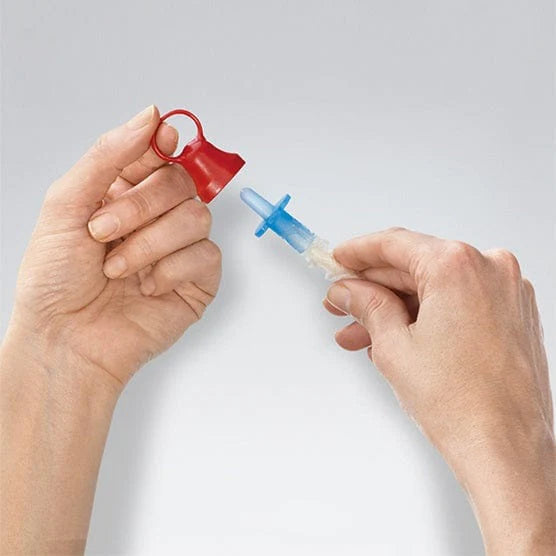
- No-touch styles help reduce direct hand contact with the catheter, supporting cleaner self-catheterisation.
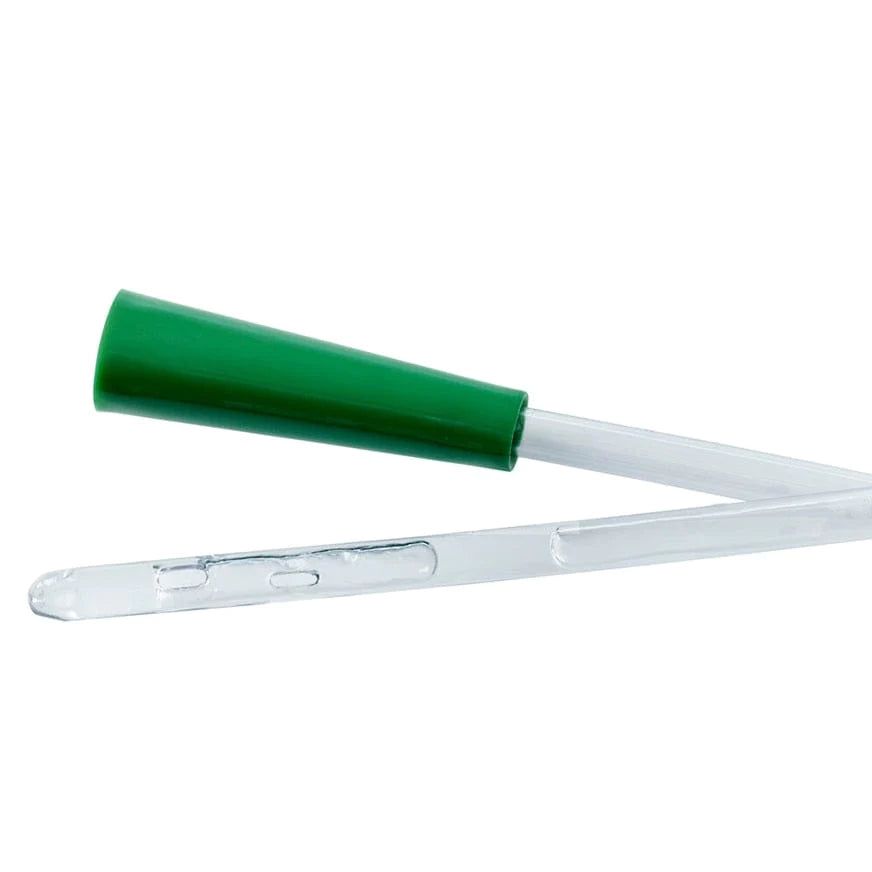
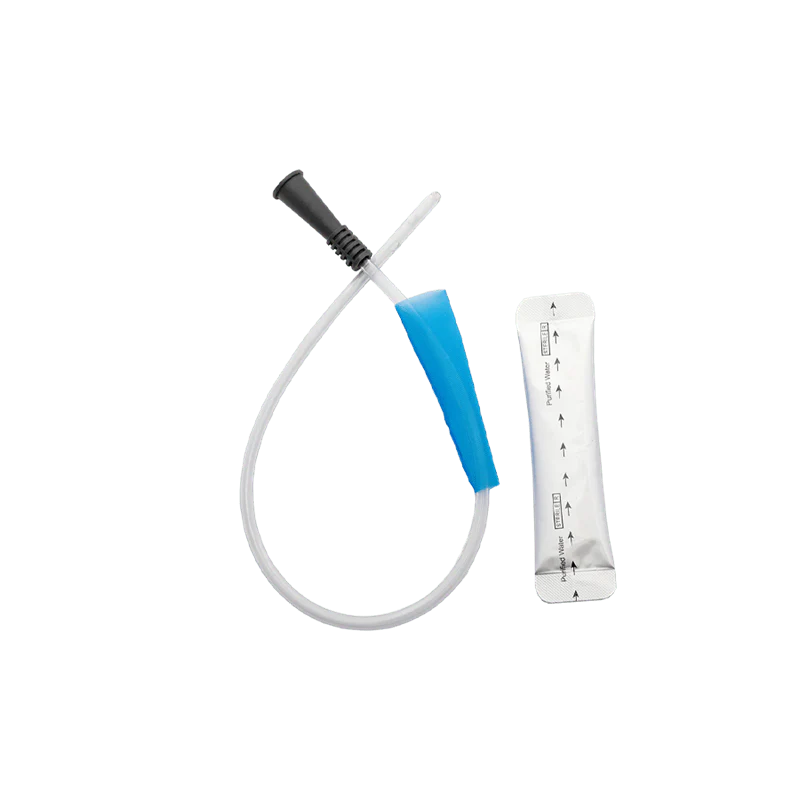
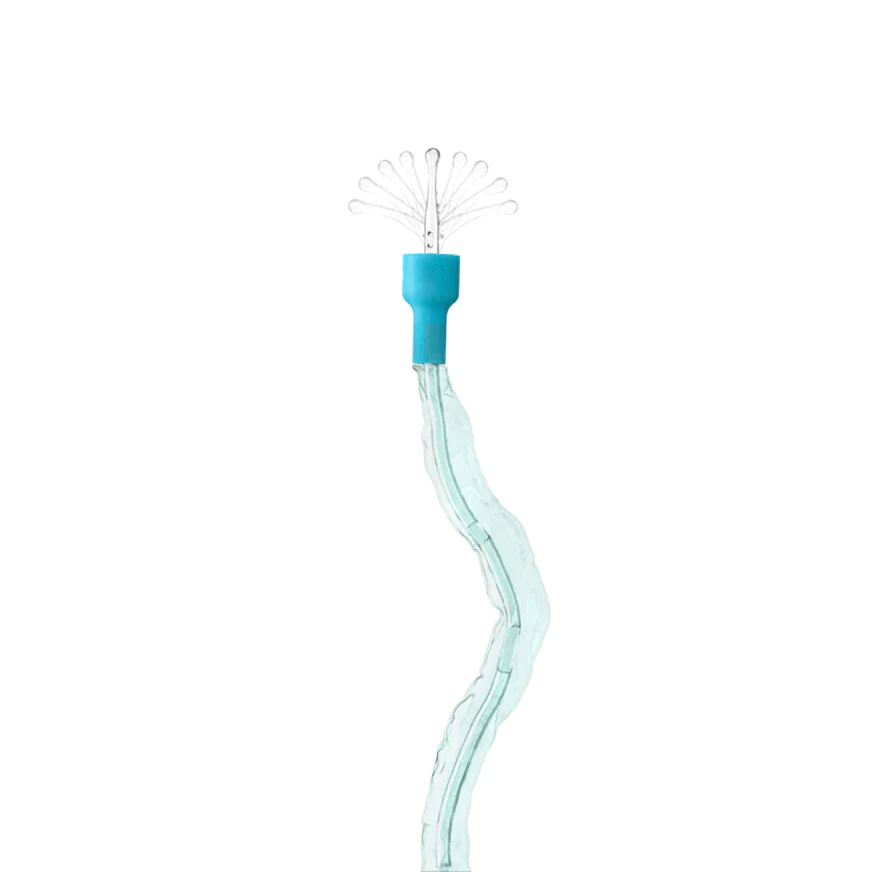
- Hydrophilic catheters have a lubricated coating that helps reduce friction. Some are ready to use immediately, while others are activated using an included water sachet.
- Firm and soft styles can feel different during handling. The right choice may depend on comfort, dexterity and clinical advice.
- Female-length catheters are shorter and should only be selected when they suit the user’s anatomy and care instructions.
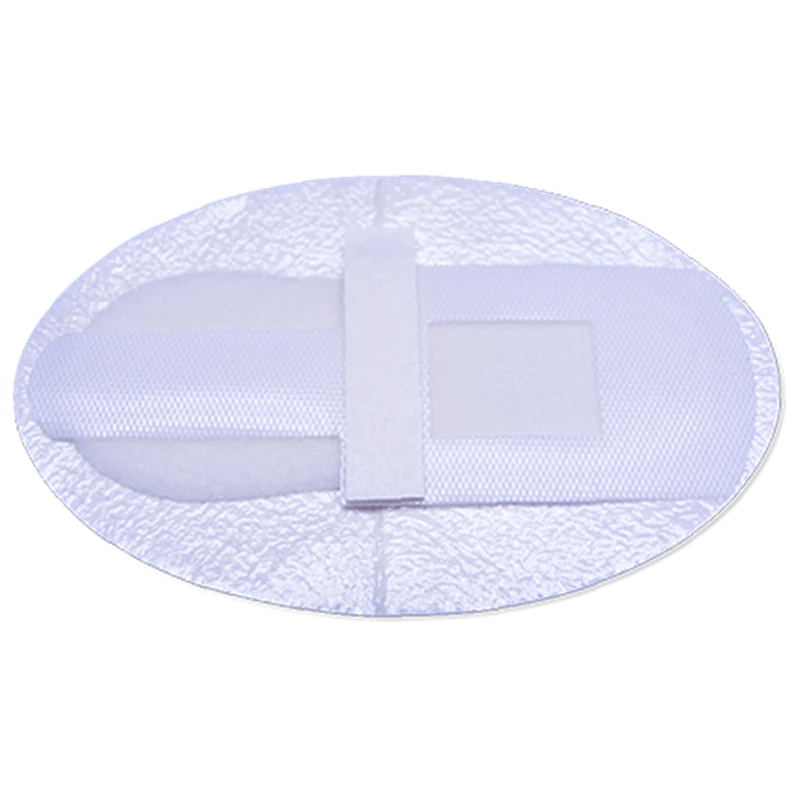
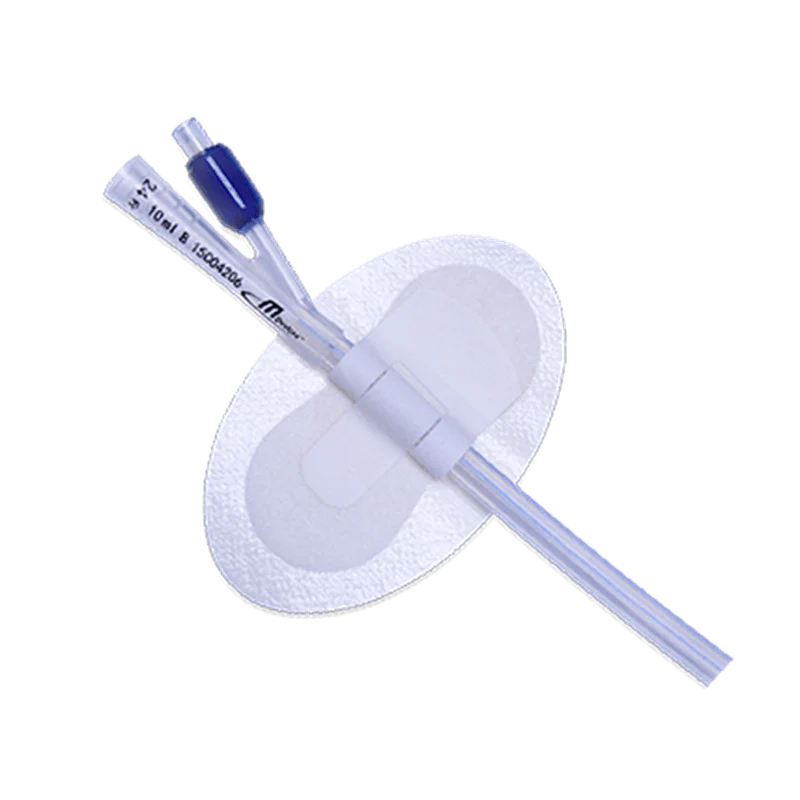
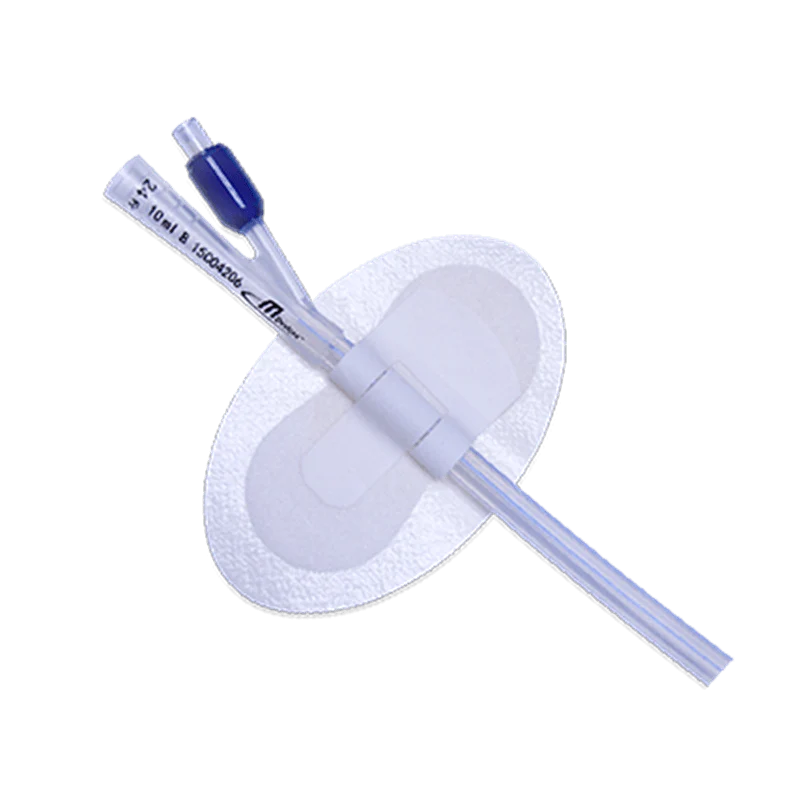
- The wider catheter range also includes indwelling and suprapubic options for users comparing different catheter types.
What to Confirm Before Ordering
Catheter type and size should always be based on clinical advice, not guesswork. Before ordering, confirm the catheter length (male or female), gauge or French size, tip style, and whether a hydrophilic or uncoated product is needed. If lubricating gel is required for uncoated catheters, check whether it is included or needs to be ordered separately. For first-time users or those changing products, a nurse or continence advisor should be consulted before purchasing.
FAQs
Intermittent catheters are typically used several times a day depending on the person's bladder management routine. The number of catheterisations per day should be guided by a healthcare professional.
No, intermittent catheters in this range are single-use and should be discarded after each catheterisation. Reusing a single-use catheter carries a higher risk of infection.
A hydrophilic catheter has a surface coating that becomes slippery when activated with water, removing the need for separate lubricant. An uncoated catheter requires a lubricating gel to be applied before use. The right choice depends on the care routine and clinical advice.
Yes, intermittent catheterisation is commonly used as a long-term bladder management routine. It is generally preferred over indwelling catheters for ongoing use as it carries a lower risk of urinary tract infection when used correctly.