
As a carer, supporting your family member or client goes well beyond supplying everyday essentials or attending appointments. When someone is living with incontinence, whether urinary or faecal, care also involves preserving dignity, confidence, and quality of life. While continence products play an important role in bladder care, they are only one part of a broader support plan.
Evidence-based approaches such as pelvic floor exercises and bladder training are widely used in bladder or pelvic floor training programs to help manage symptoms. These strategies can be effective across different types of incontinence, including stress, urge, and mixed incontinence, and may also reduce reliance on interventions such as pads or catheters where appropriate.
Understanding the Pelvic Floor
The pelvic floor is a group of muscles that support vital organs such as the bladder, uterus, and bowel. These muscles form a supportive sling at the base of the pelvis, stretching from the pubic bone to the tailbone. They work closely with the deep core muscles, including the abdomen, diaphragm, and back, to control urination and bowel movements.
Weakness or poor coordination of the pelvic floor can develop due to ageing, childbirth, surgery, obesity, or long-term strain. When this happens, it can contribute to different types of incontinence, pelvic pain, or reduced bladder and bowel control. Understanding how the pelvic floor works is the first step in effective continence and bladder care.
Benefits of Pelvic Floor Exercises & Bladder Training
Pelvic floor exercises and bladder training are central components of many bladder or pelvic floor training programs. Together, they support improved bladder control, reduced leakage, and greater confidence in daily life.
Improved Bladder and Bowel Control
Pelvic floor exercises strengthen the muscles that support the bladder and bowel, helping prevent leaks caused by coughing, laughing, lifting, or urgency. Bladder training, a behavioural therapy approach, supports the person you care for to gradually increase the time between toilet visits and improve how much urine the bladder can comfortably hold. Over time, this can reduce leakage, urgency, and disruption to daily routines.
Support for Pelvic Organs
Strengthening the pelvic floor helps support the bladder, bowel, and, in women, the uterus. This reduces pressure on pelvic organs and supports better function during everyday activities. Bladder training also helps the bladder store urine more comfortably, contributing to overall pelvic health and comfort.
Reduces Urinary Urgency
By improving muscle control and bladder capacity, pelvic floor exercises and bladder training help reduce sudden urges to urinate. This can be particularly beneficial for people experiencing urge incontinence and supports more predictable and confident toileting.
Less Frequent Urination & Leakage
A strong pelvic floor helps keep urine in until it is appropriate to go, while bladder training helps the bladder hold urine for longer periods. Together, they reduce frequent urination and leakage and may lessen dependence on continence aids or catheters as part of a broader bladder care plan.
Simple Pelvic Floor Exercises Every Carer Should Teach
The Basic Kegel (The Lift)
A basic Kegel is a gentle pelvic floor exercise that lifts and squeezes the muscles supporting the bladder and bowel. These are the muscles used to stop passing urine or wind. The lift is held briefly before fully relaxing. Breathing remains normal, and the tummy, bottom, and thighs stay relaxed.
The Quick Flick (The Power Squeeze)
Quick flicks are short, fast squeezes of the pelvic floor muscles. They help the body respond quickly during everyday movements such as coughing, laughing, or standing, improving functional bladder control.
The Elevator Ride (The Slow, Deep Hold)
The elevator ride uses a visual cue of the pelvic floor lifting in stages, like an elevator moving up through a building. This exercise improves coordination and control and encourages a gradual lift followed by a slow, complete release.
Deep Belly Breathing (The Relaxation)
Deep belly breathing involves slow, relaxed breathing into the belly rather than the chest. This helps calm the nervous system, reduce tension, and allows the pelvic floor to relax and move naturally, supporting effective pelvic floor exercises.
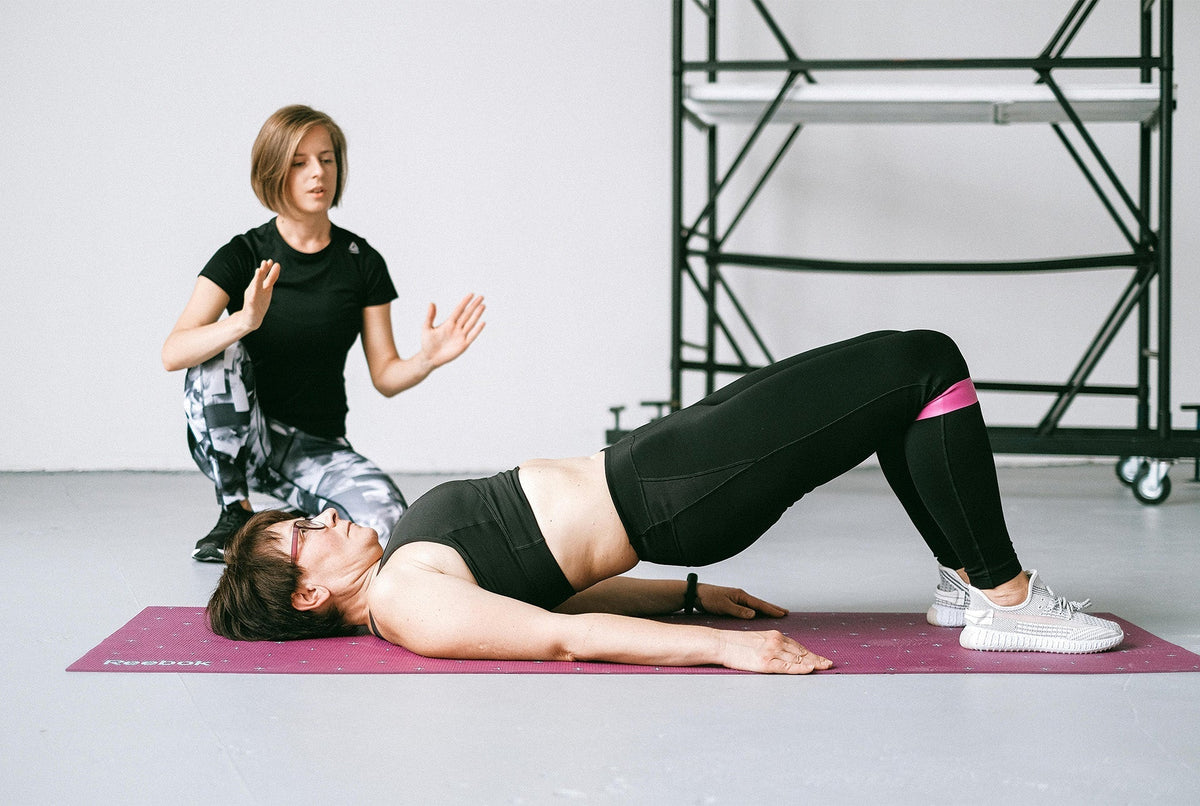
Bridge Pose (The Full Chain Connection)
Bridge Pose involves lying on the back and gently lifting the hips to engage the glutes, core, and pelvic floor together. When performed slowly and comfortably, it supports strength, body awareness, and healthy pelvic floor engagement.
How to Perform Pelvic Floor Exercises
Identifying and assessing pelvic floor muscles is an important first step. To locate them, imagine gently lifting the muscles used to stop passing urine or wind. The movement should feel light and internal, without tightening the tummy, bottom, or thighs.
For the long hold, gently lift the pelvic floor muscles and hold for a few seconds, as long as it feels comfortable, before fully relaxing.
For the short squeeze, lift the muscles briefly and release straight away, allowing full relaxation between each movement.
Throughout all pelvic floor exercises, breathing should remain normal, with relaxed shoulders, chest, and tummy. Exercises should be done daily and linked to regular activities where possible. They should never cause pain, and professional advice should be sought if discomfort occurs.
Supporting Comfort, Dignity and Motivation in Training
Pelvic floor and bladder training can feel personal, so carers should approach teaching with empathy, respect, and sensitivity. Ensuring privacy, using calm language, and providing reassurance can help reduce embarrassment and anxiety. Gentle encouragement, patience, and acknowledging progress all support motivation and confidence.
If you're supporting someone and need help finding the right care, you can search, compare, and read genuine reviews for non-NDIS and NDIS support workers across Australia.
Conclusion
Pelvic floor exercises and bladder training are safe, evidence-based approaches used in bladder or pelvic floor training programs to support continence, comfort, and confidence. When taught with patience, consistency, and compassion, they can make a meaningful difference across many types of incontinence.
As a carer, your ongoing support plays a vital role in effective bladder care. By remaining encouraging and respectful at every stage, you help create a positive environment where your care recipient feels supported, dignified, and empowered to regain control.