


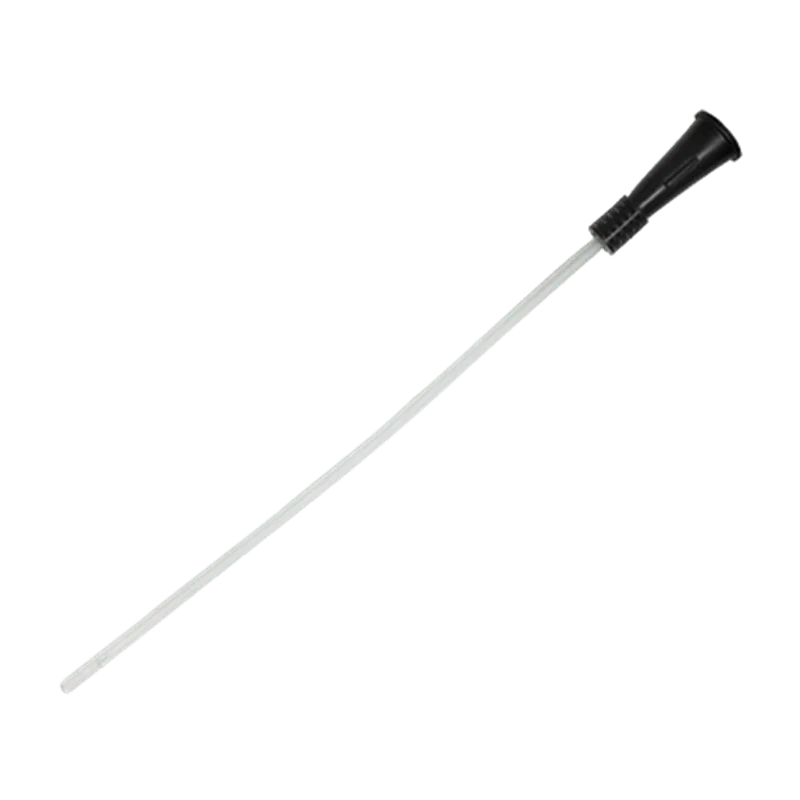
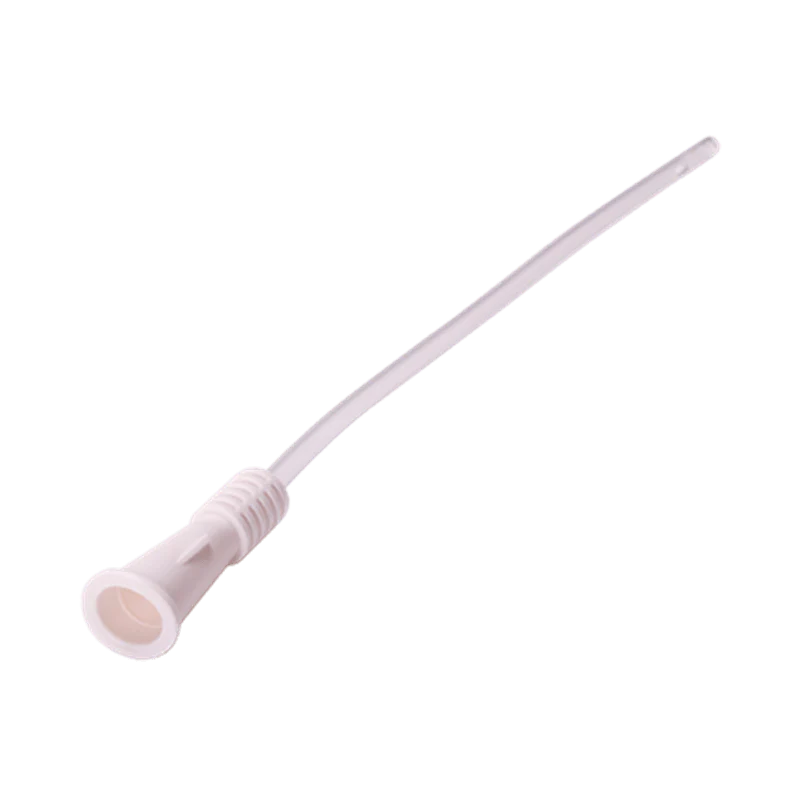


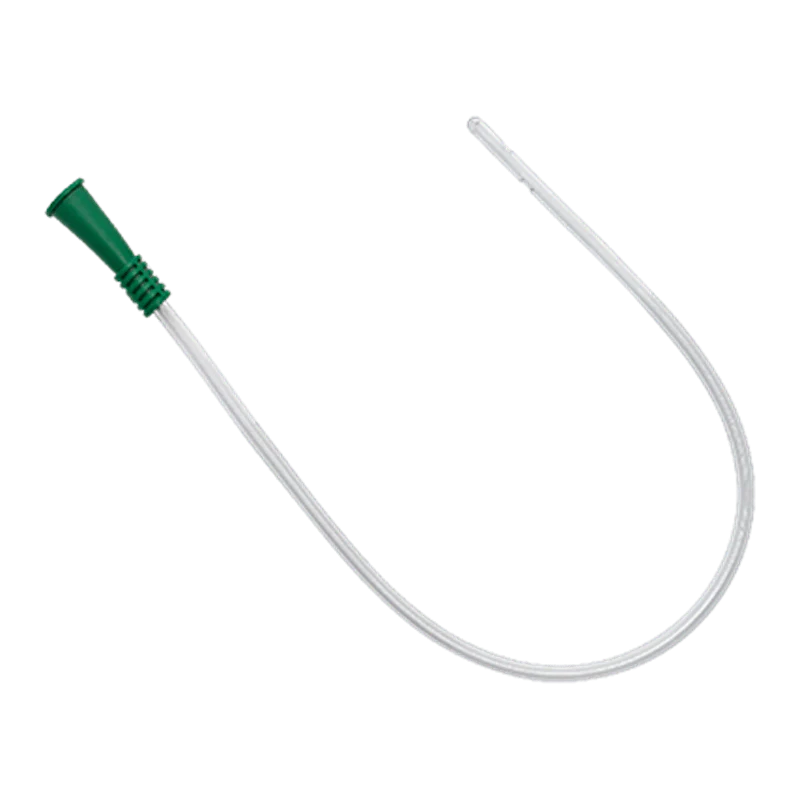
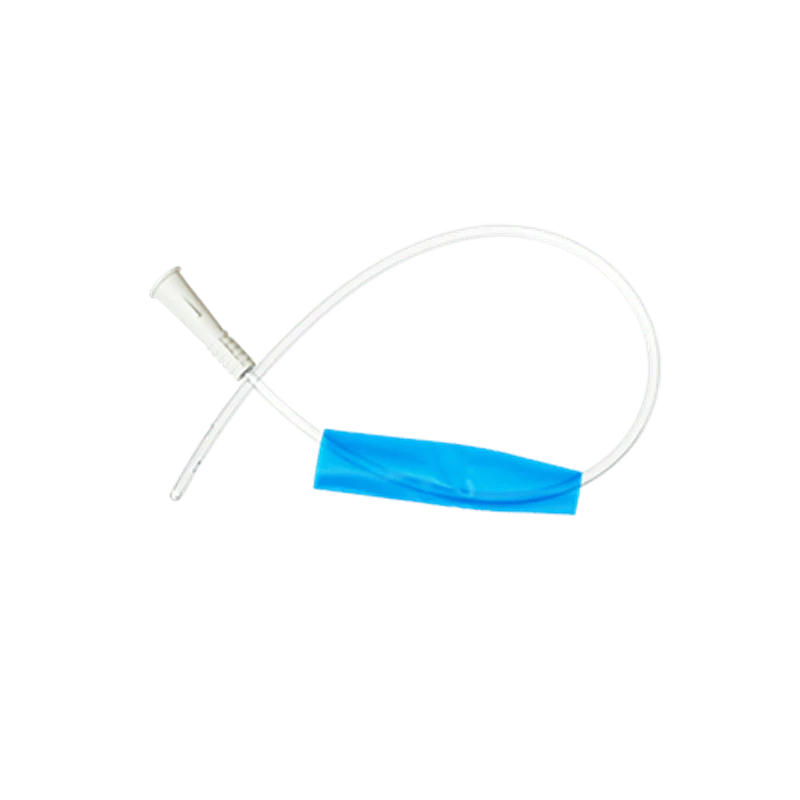


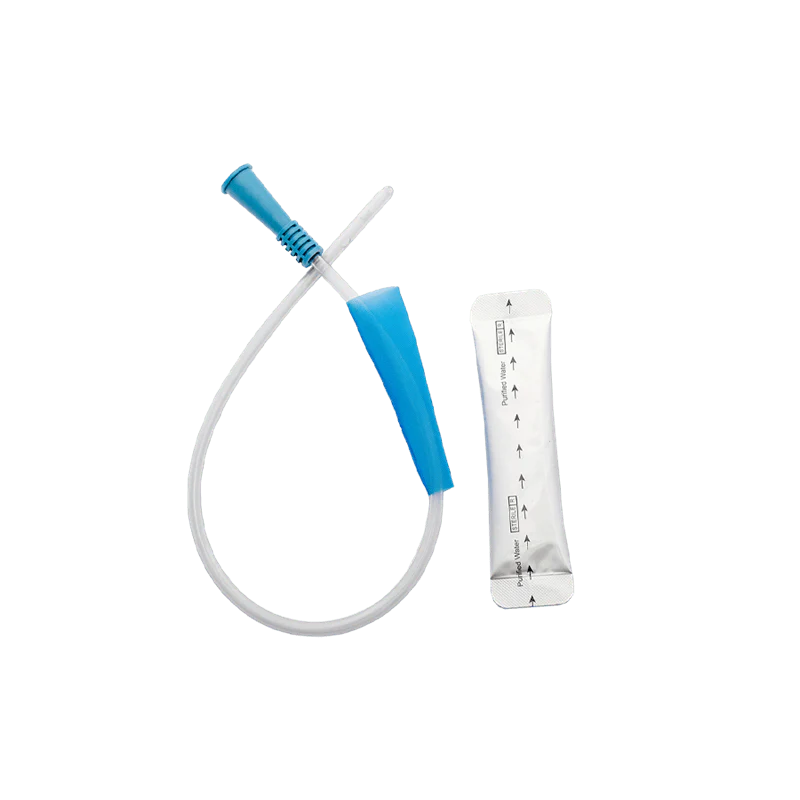
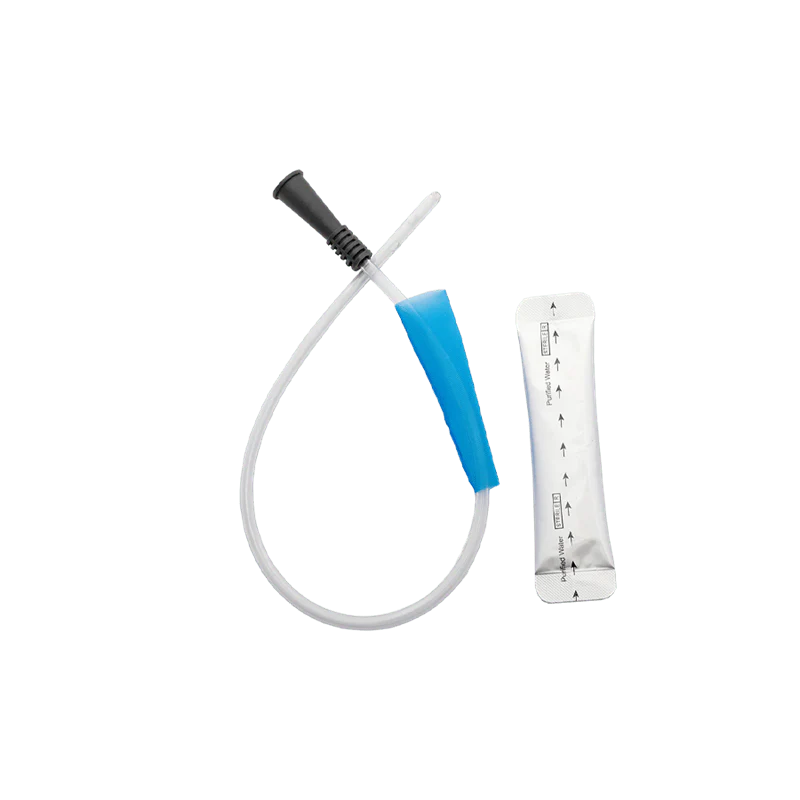
Key features:
- Silicone Foley catheters for indwelling or suprapubic use
- Includes Foley, Nelaton, intermittent, and hydrophilic catheter options
- Female and male catheter lengths available, depending on the product
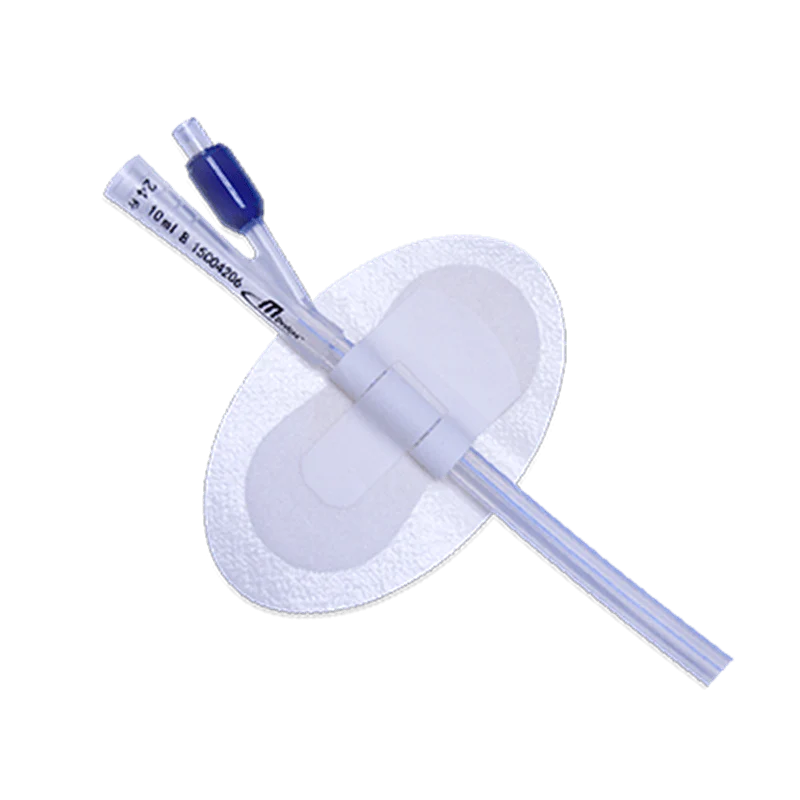
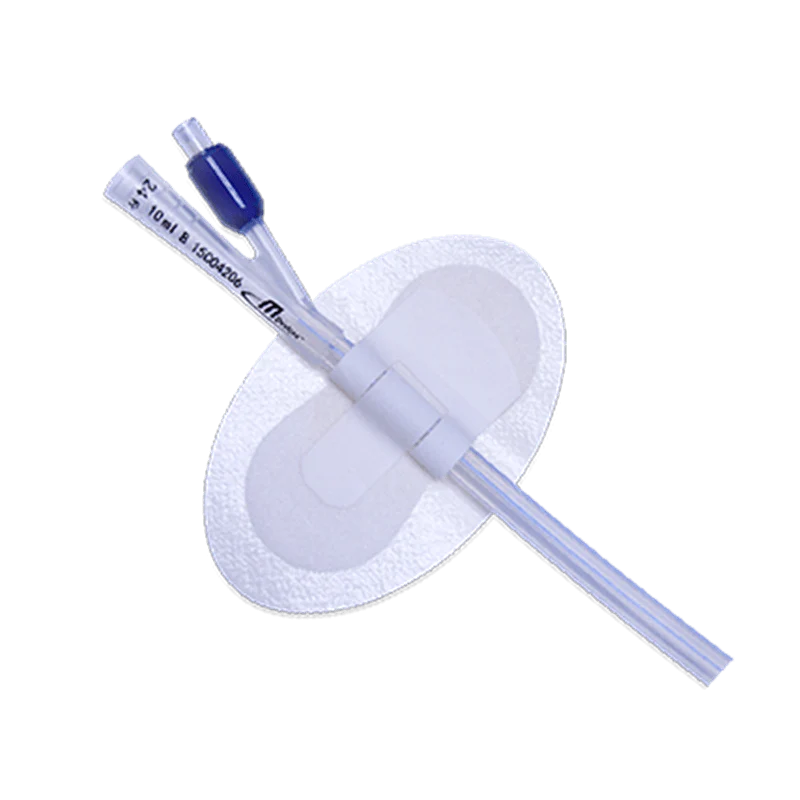
- 2-way Foley catheter options for indwelling catheter care
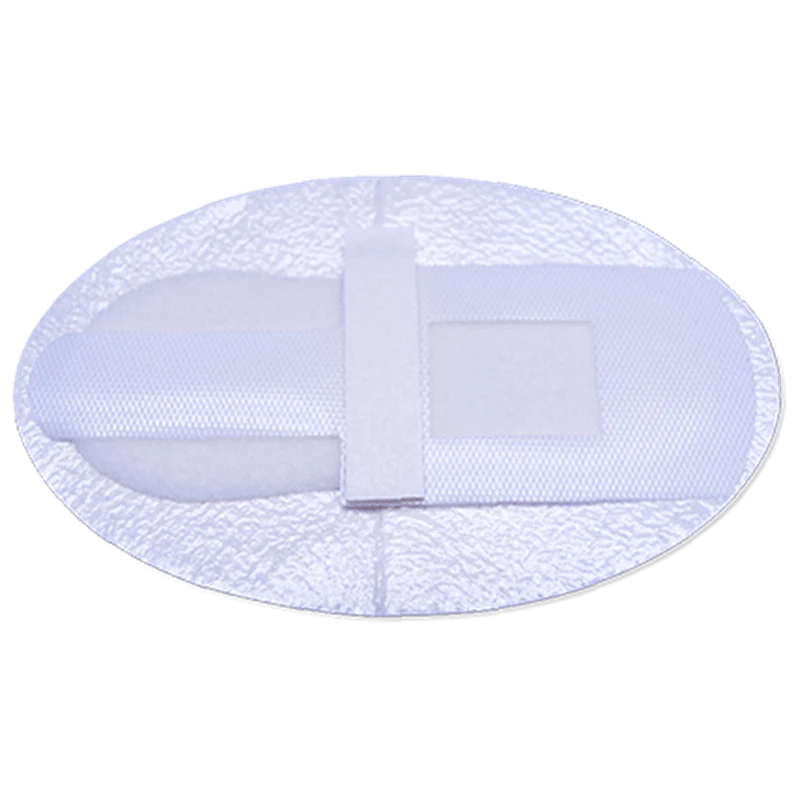
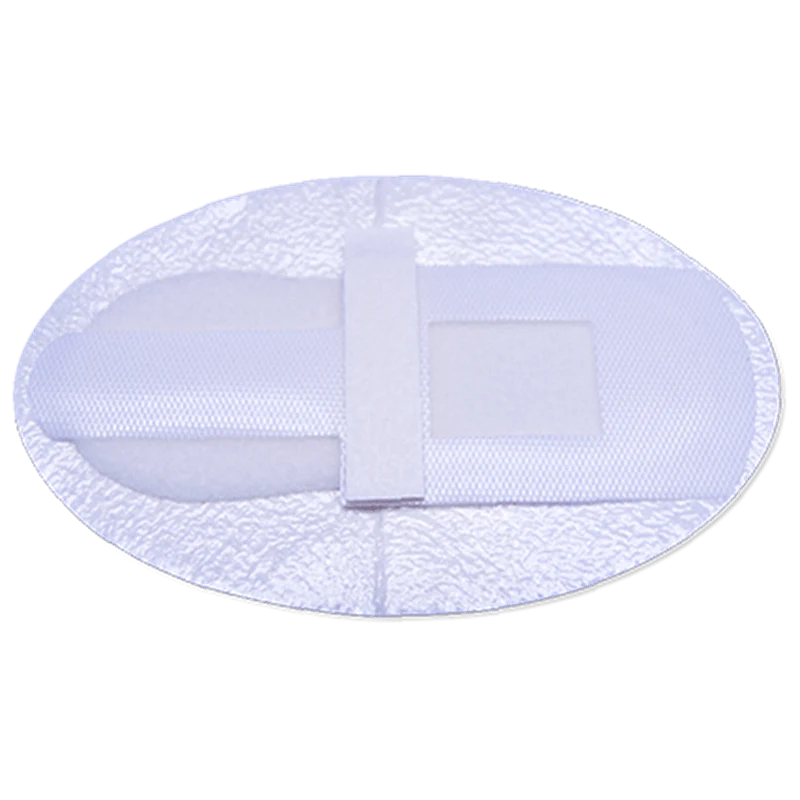
- Securement devices available to help reduce tubing movement
Start With the Catheter Type Required
With catheters, the first decision is usually not the brand. It is the type of catheter the person has been advised to use.
- Foley catheters are generally used when an indwelling catheter is needed for ongoing bladder drainage.
- Nelaton catheters are commonly used for intermittent catheterisation, where the catheter is inserted for drainage and then removed.
- Female and male catheter lengths differ, so length should match the person’s anatomy and care instructions.
- Hydrophilic options may be considered when smoother insertion is part of the care routine.
- Catheter securement devices may help if tubing movement, pulling, or accidental dislodgement is a concern.
- If catheter use also involves urine collection, check whether compatible leg bags or other catheter packs and accessories are needed.
What to Check Before Ordering
Catheter selection should follow clinical advice, but a few product details are worth checking before ordering:
- Catheter type, such as Foley, Nelaton, intermittent, or hydrophilic
- Catheter size or gauge
- Male, female, or standard length
- Tip style, such as straight, coudé, or open-ended where available
- Balloon size for Foley catheter products
- Whether the product is single-use or supplied in a pack
- Whether a securement device or drainage bag will be used with it
If you are unsure which product is right for you, contact our friendly team before you buy.
FAQs
A Foley catheter is usually designed to stay in place for ongoing bladder drainage, while a Nelaton catheter is generally used for intermittent catheterisation and removed after the bladder is drained. The right choice depends on the person’s care plan and should be guided by a healthcare professional.
A Foley catheter is usually designed to stay in place for ongoing bladder drainage, while a Nelaton catheter is generally used for intermittent catheterisation and removed after the bladder is drained. The right choice depends on the person’s care plan and should be guided by a healthcare professional.
Catheter length matters because male, female, and standard catheter options are designed for different anatomy and use cases. Choosing the wrong length can make catheterisation harder or less comfortable, so the product length should match the user’s needs and clinical advice.
Catheter length matters because male, female, and standard catheter options are designed for different anatomy and use cases. Choosing the wrong length can make catheterisation harder or less comfortable, so the product length should match the user’s needs and clinical advice.
A coudé tip catheter has a curved tip that may be recommended in some situations where insertion is more difficult. An open-ended catheter may be considered when flow support is important. These are specific product choices, so they should only be selected when suitable for the user’s condition and care instructions.
A coudé tip catheter has a curved tip that may be recommended in some situations where insertion is more difficult. An open-ended catheter may be considered when flow support is important. These are specific product choices, so they should only be selected when suitable for the user’s condition and care instructions.