
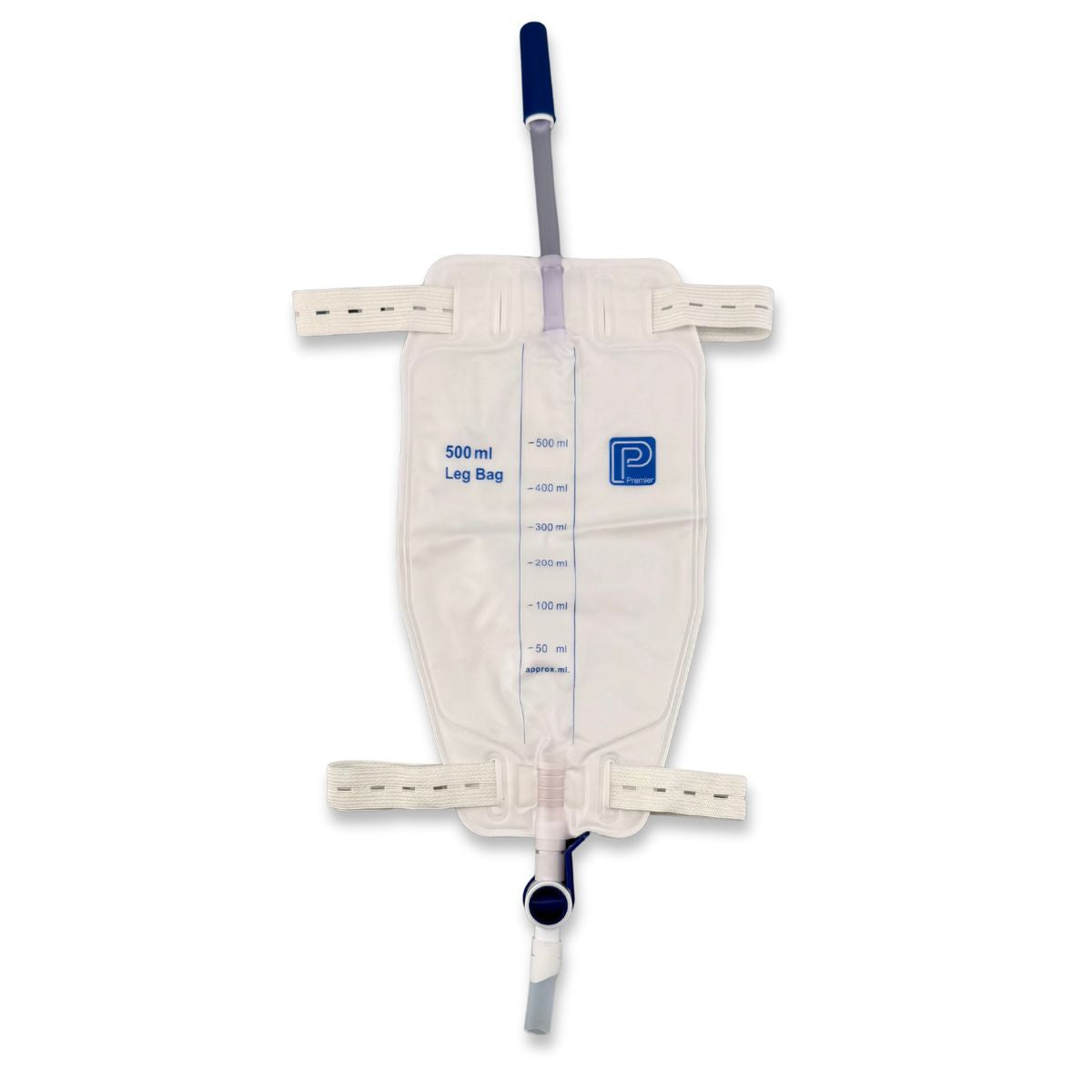

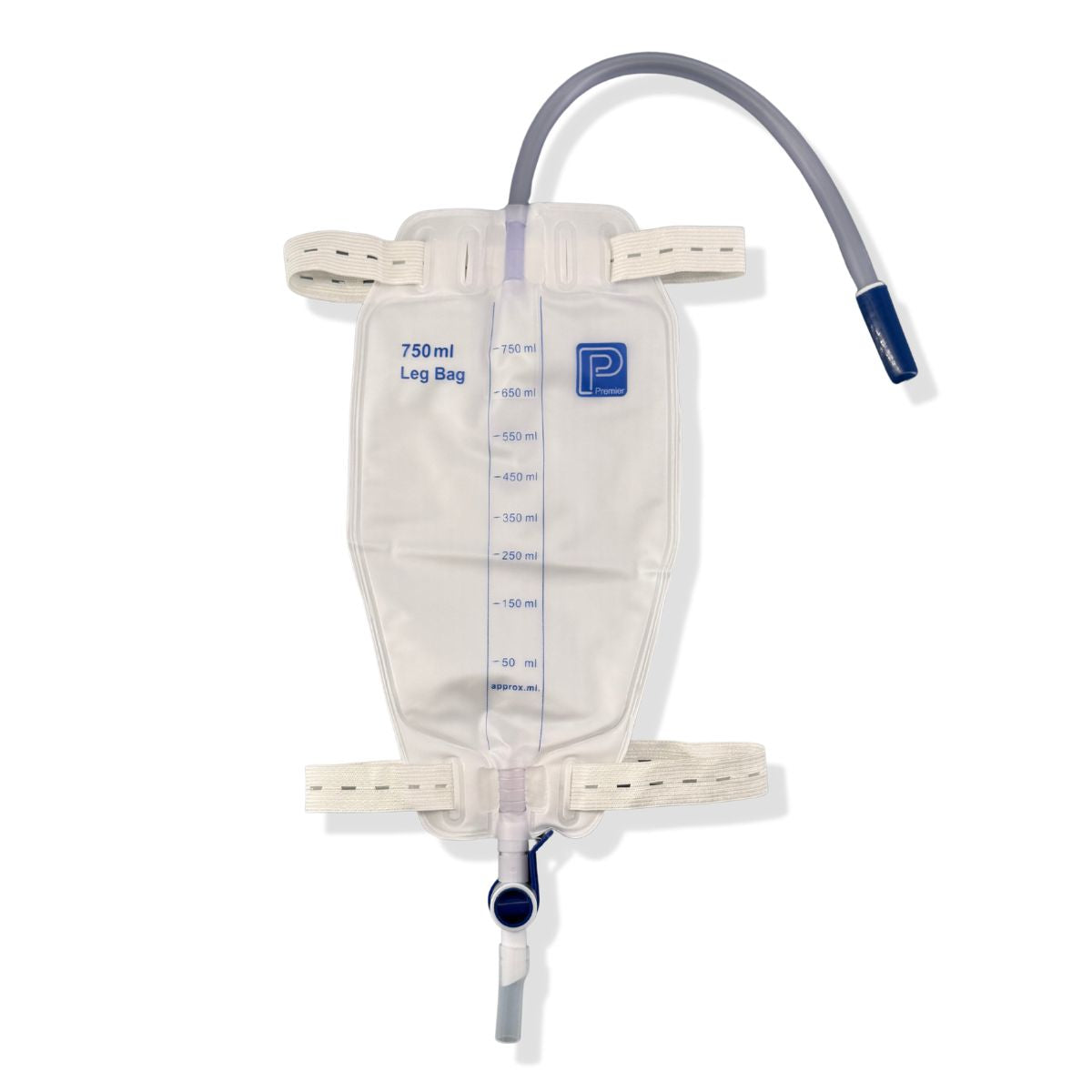
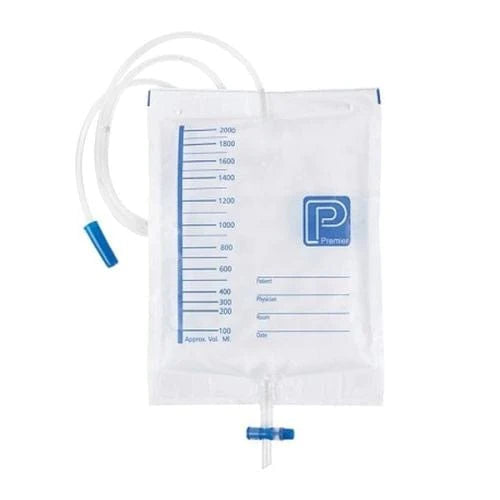
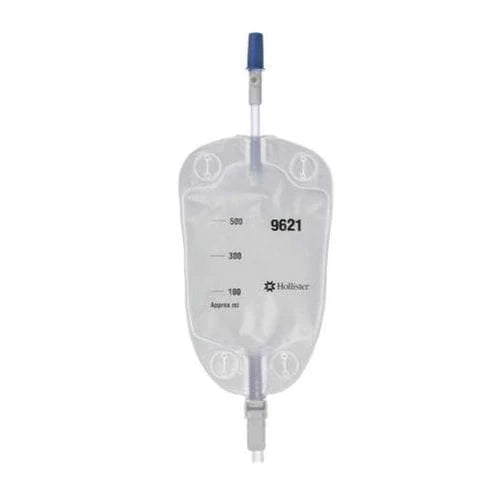
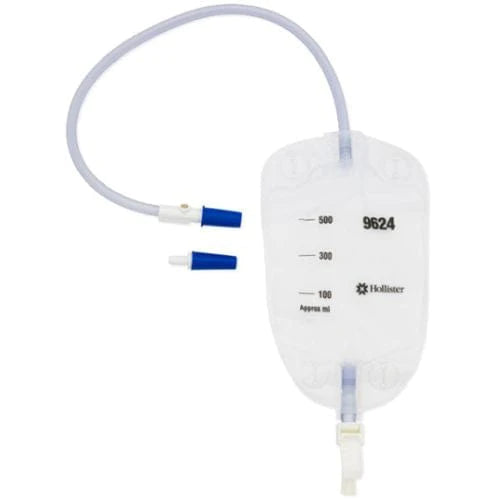
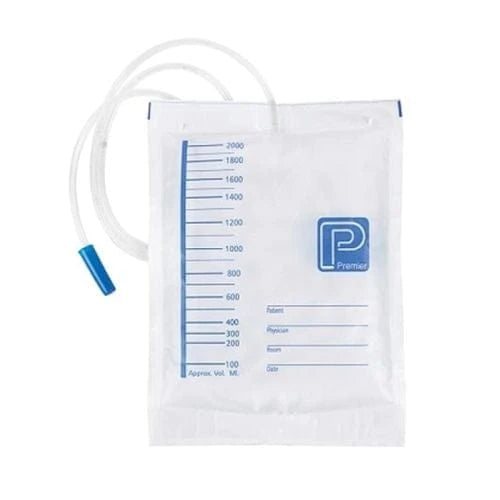
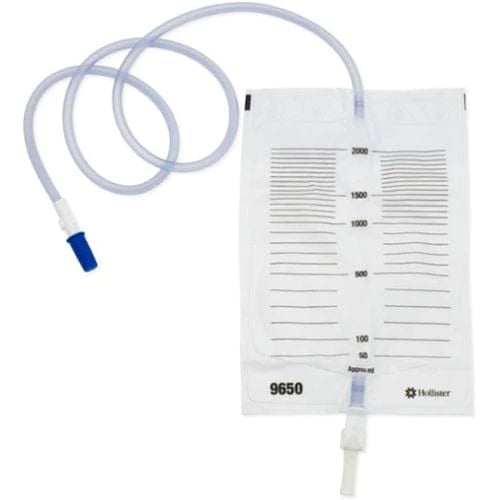

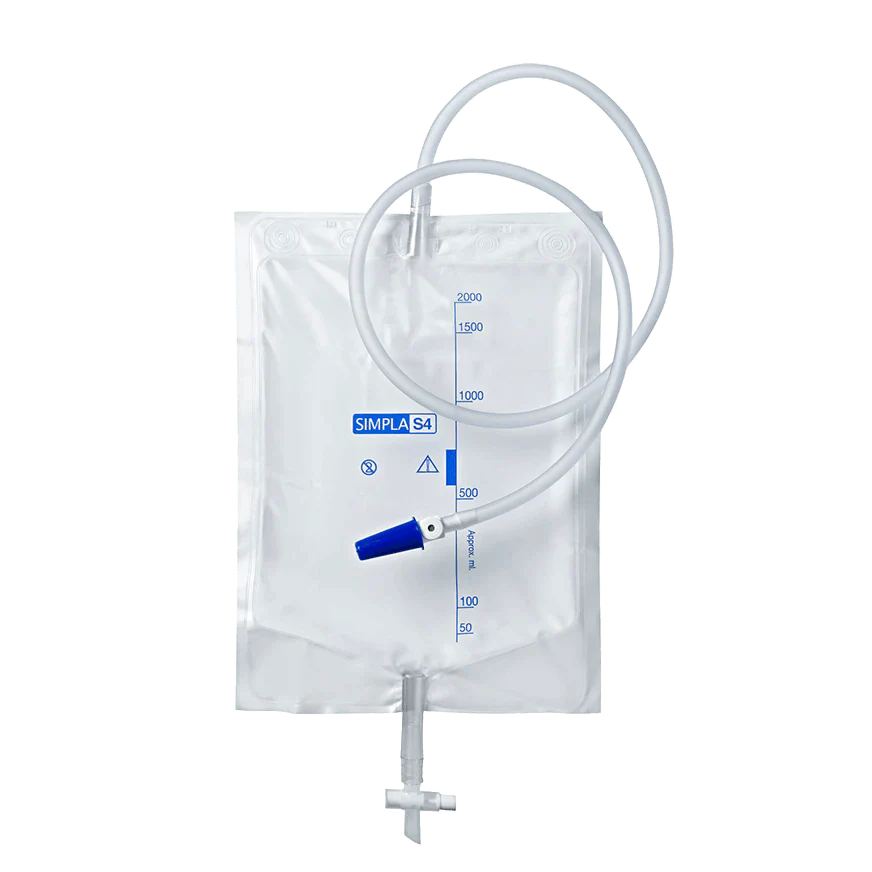

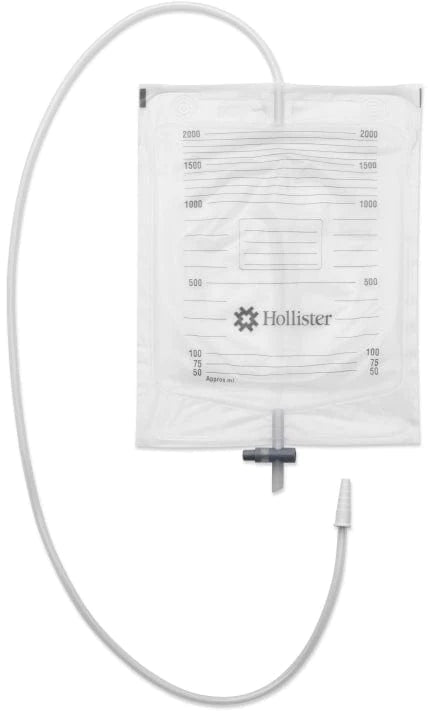

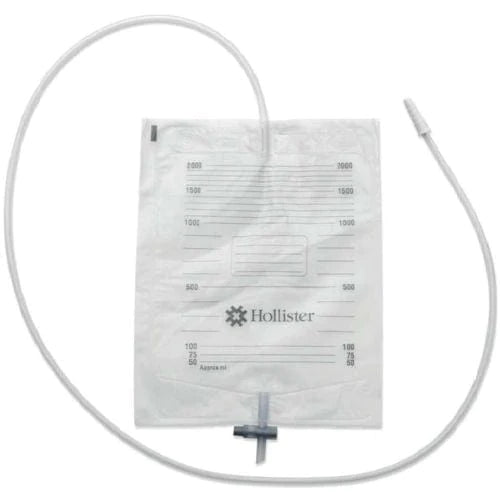

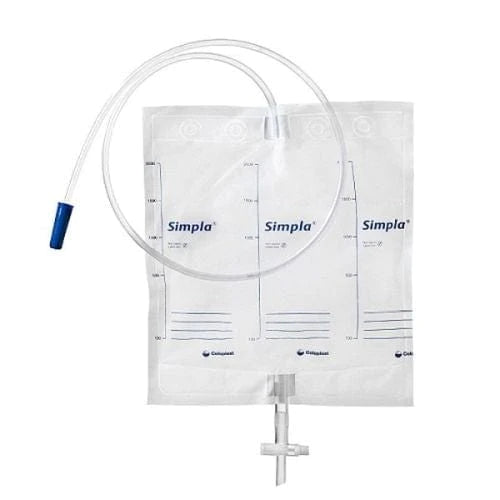
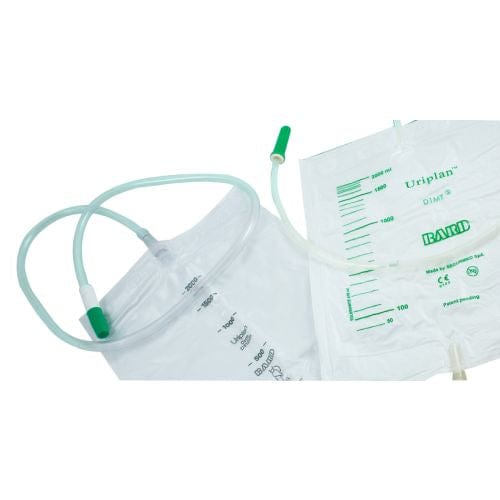
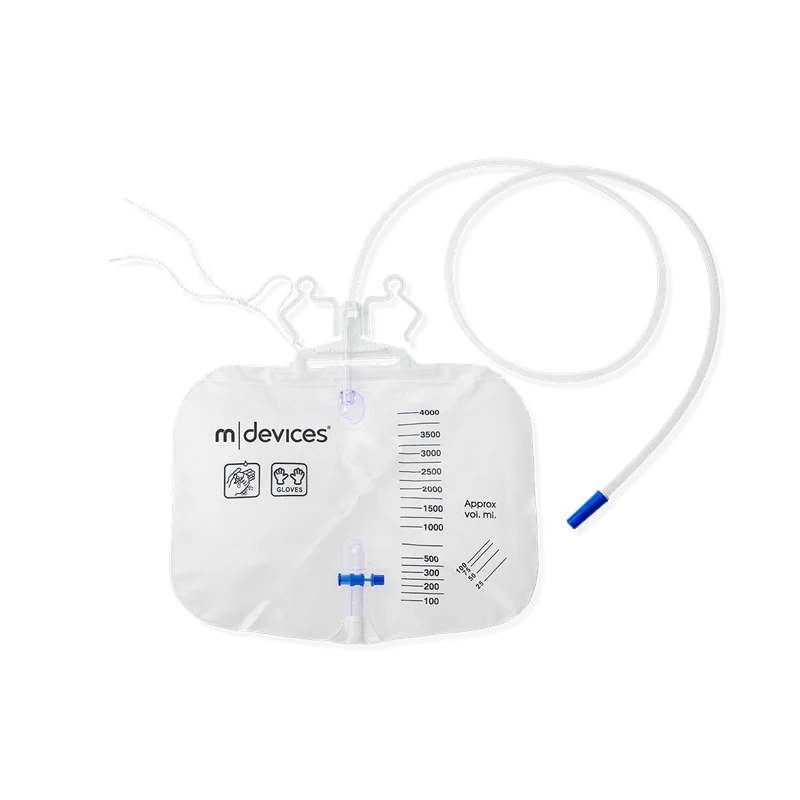

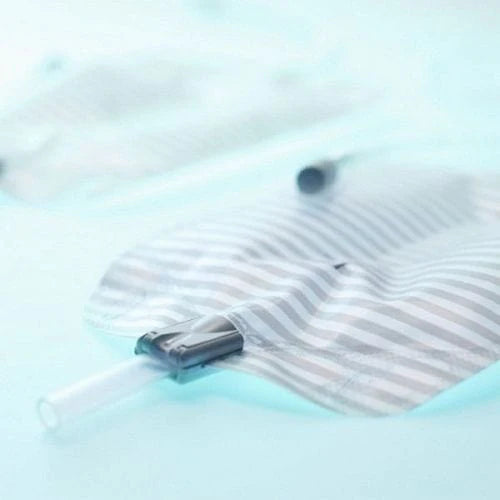
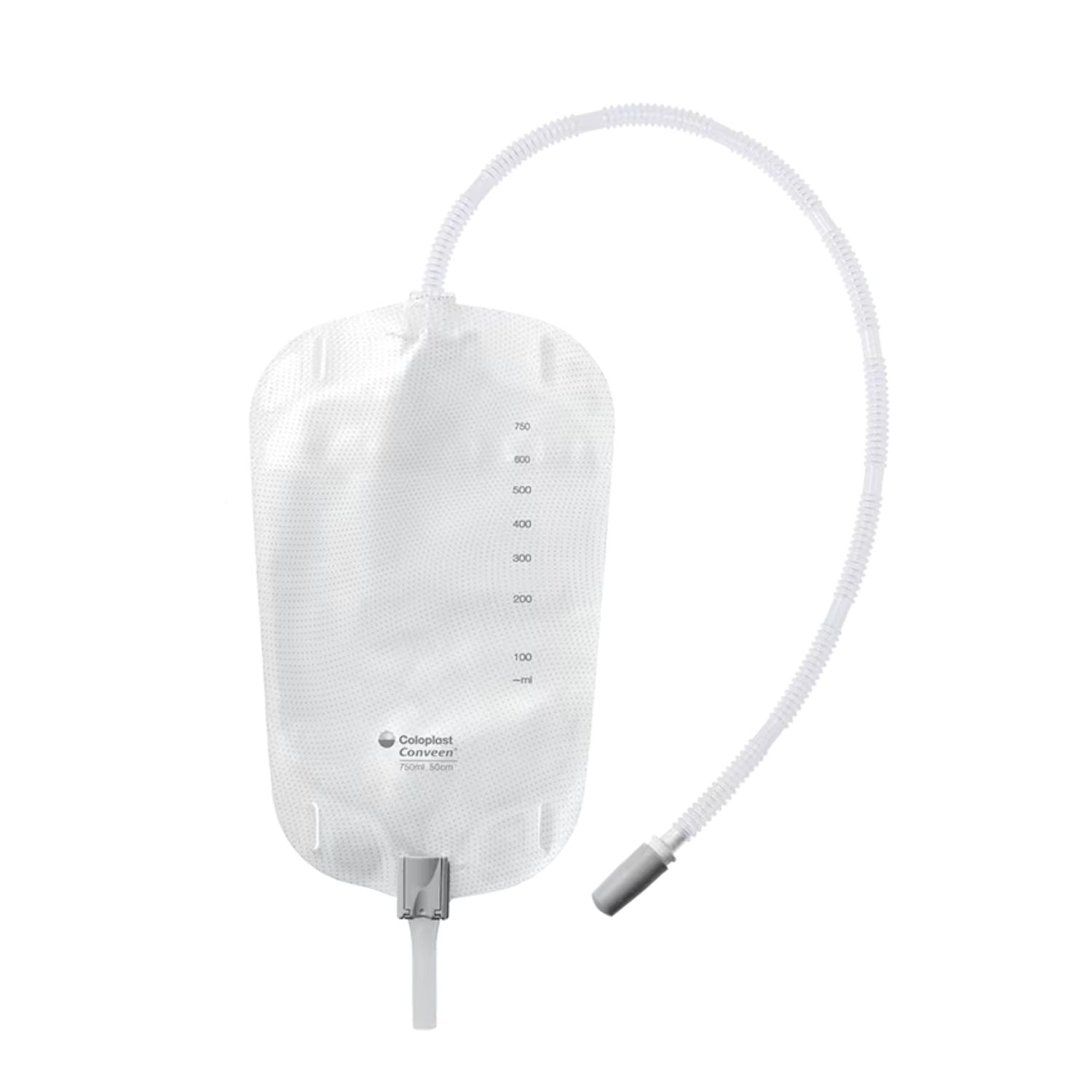
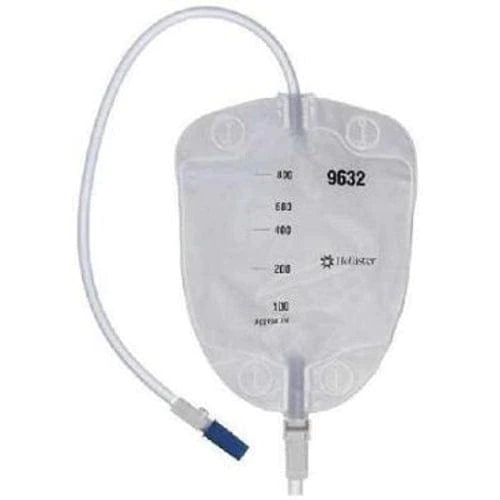
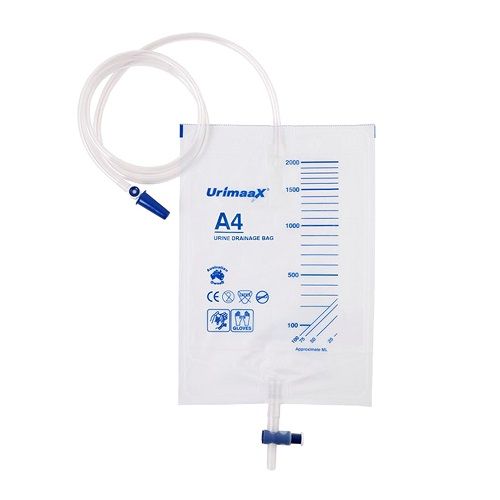
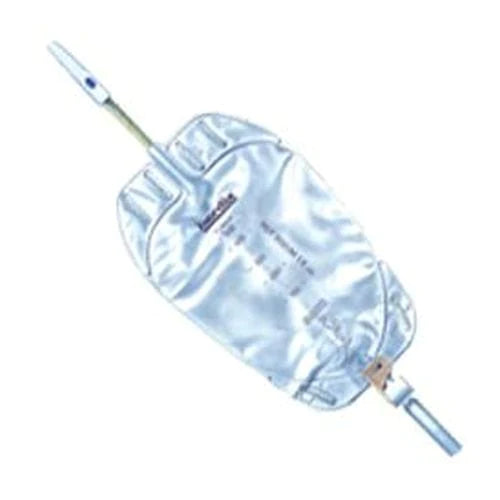
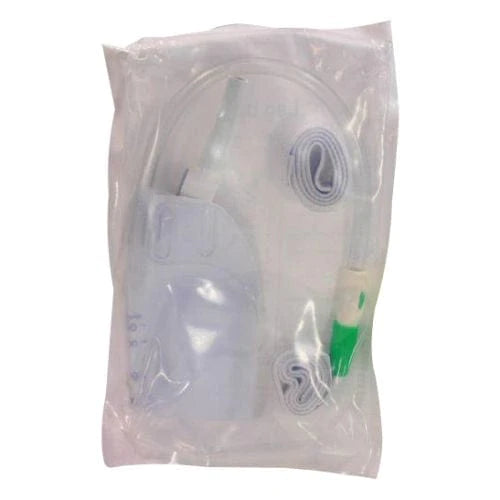
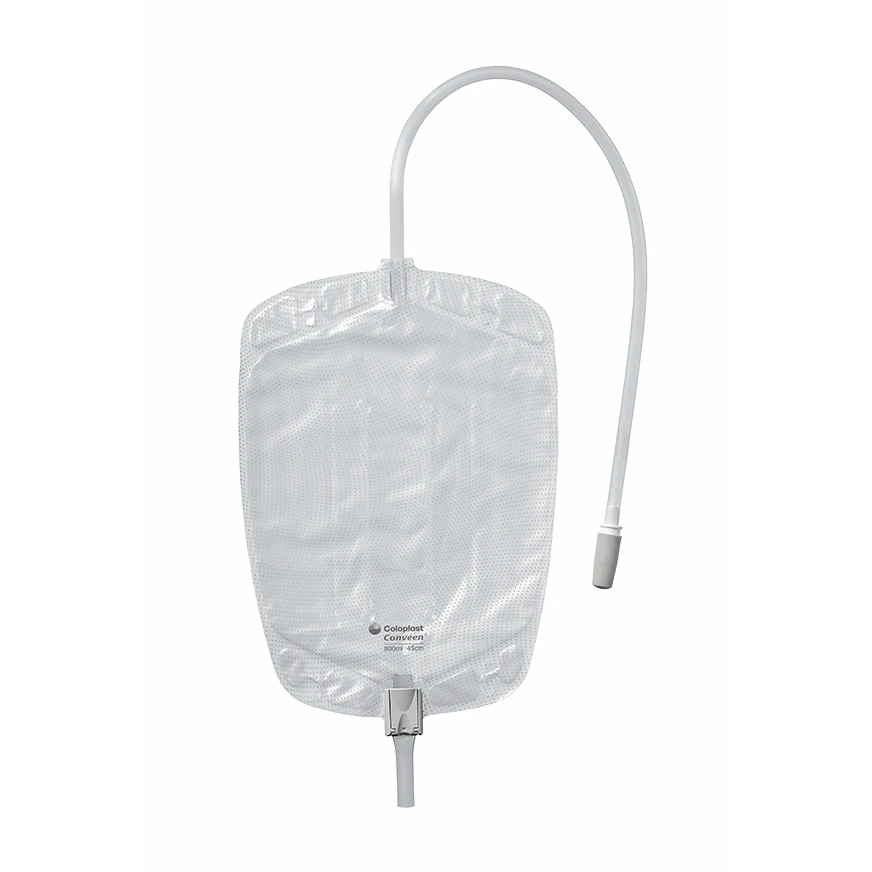

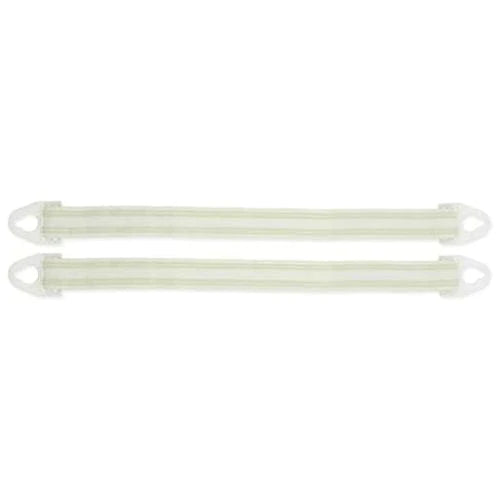
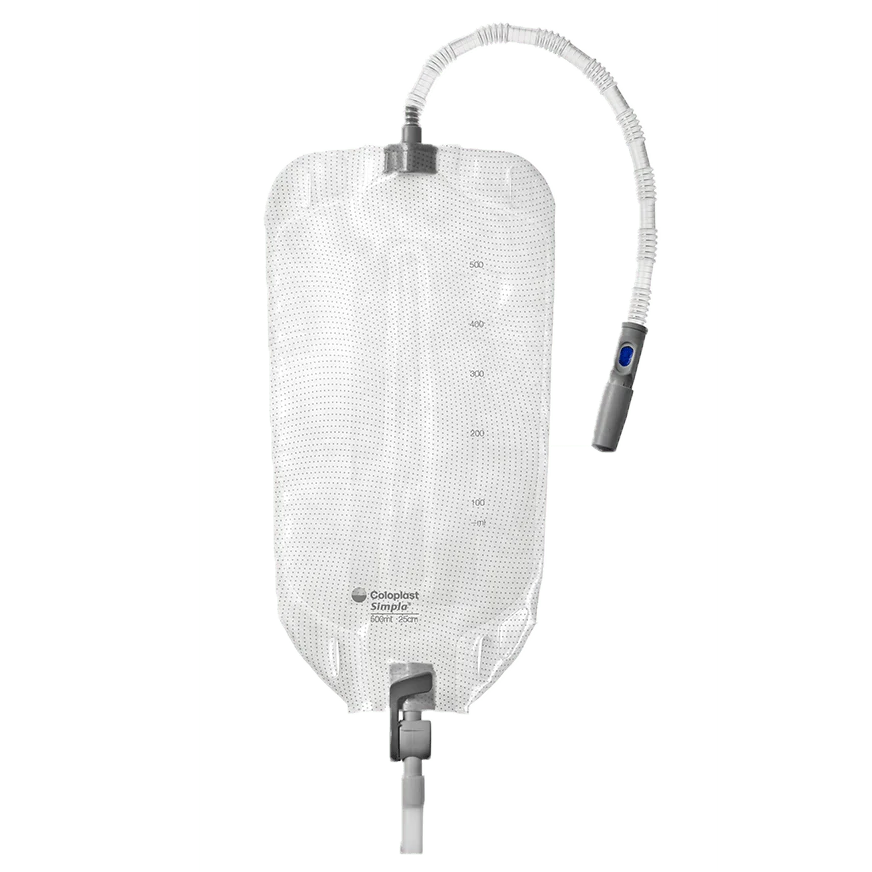
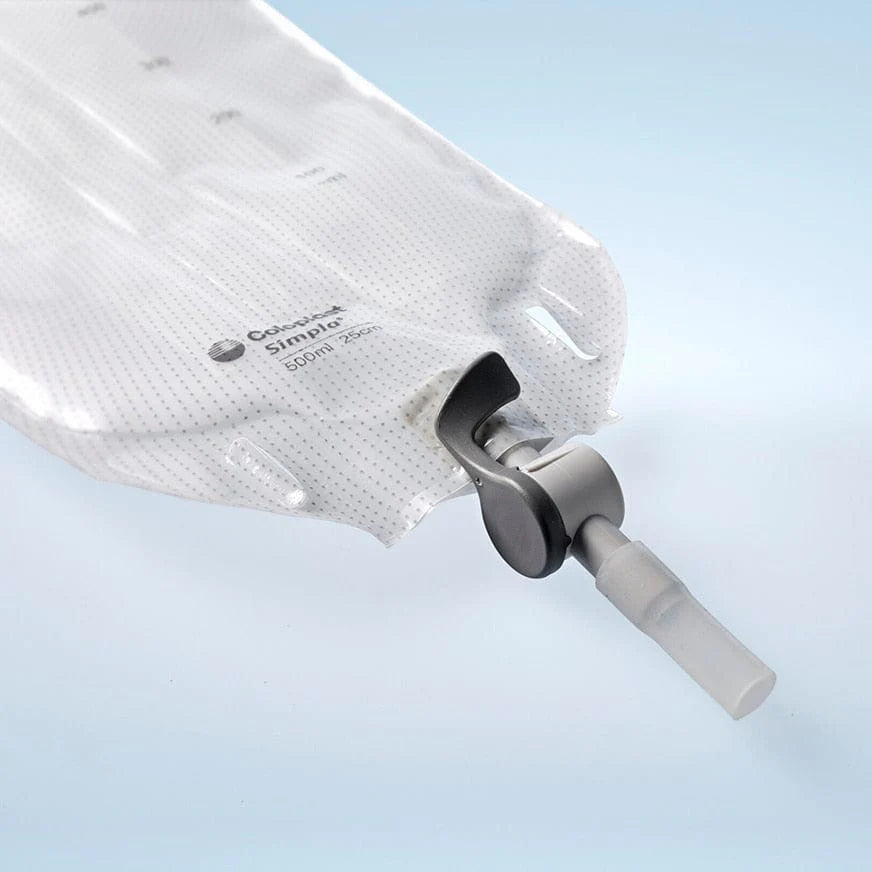
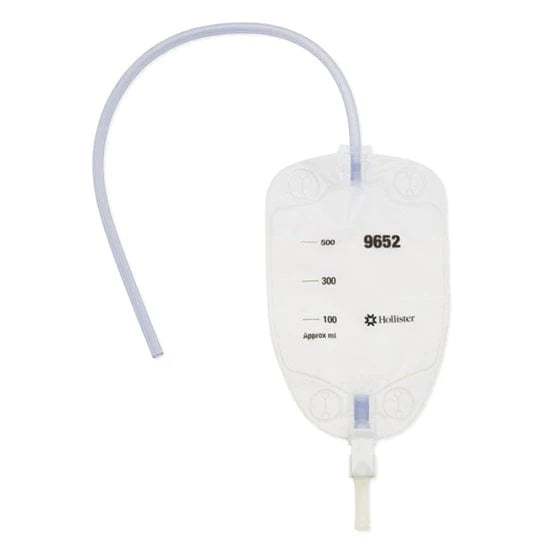

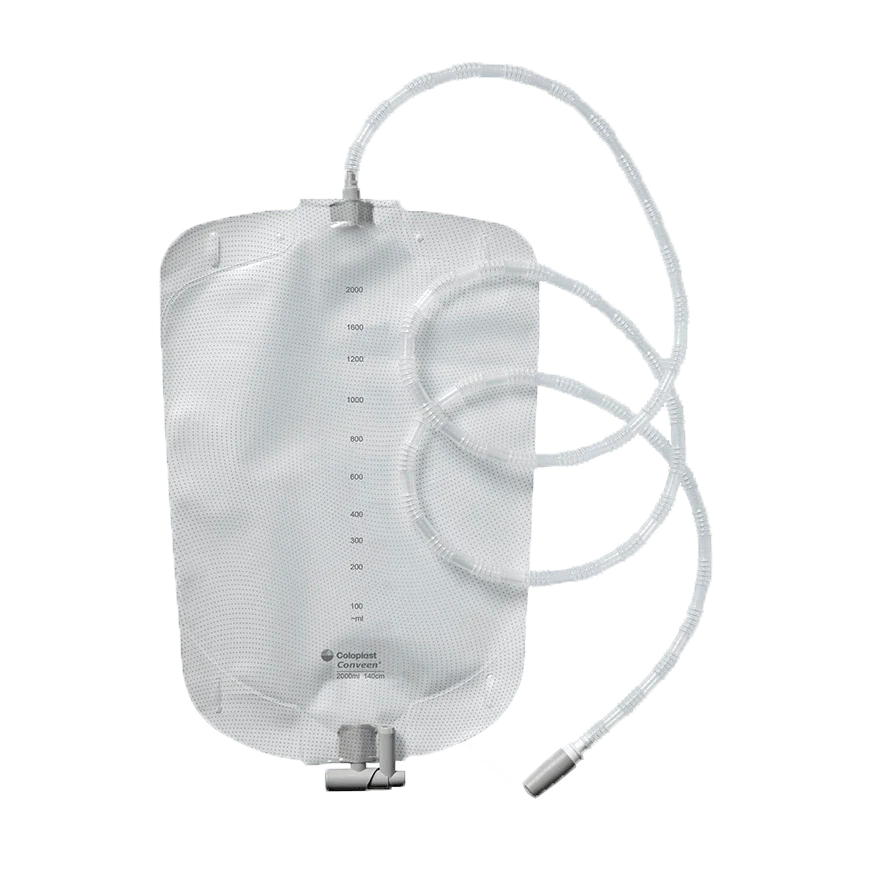

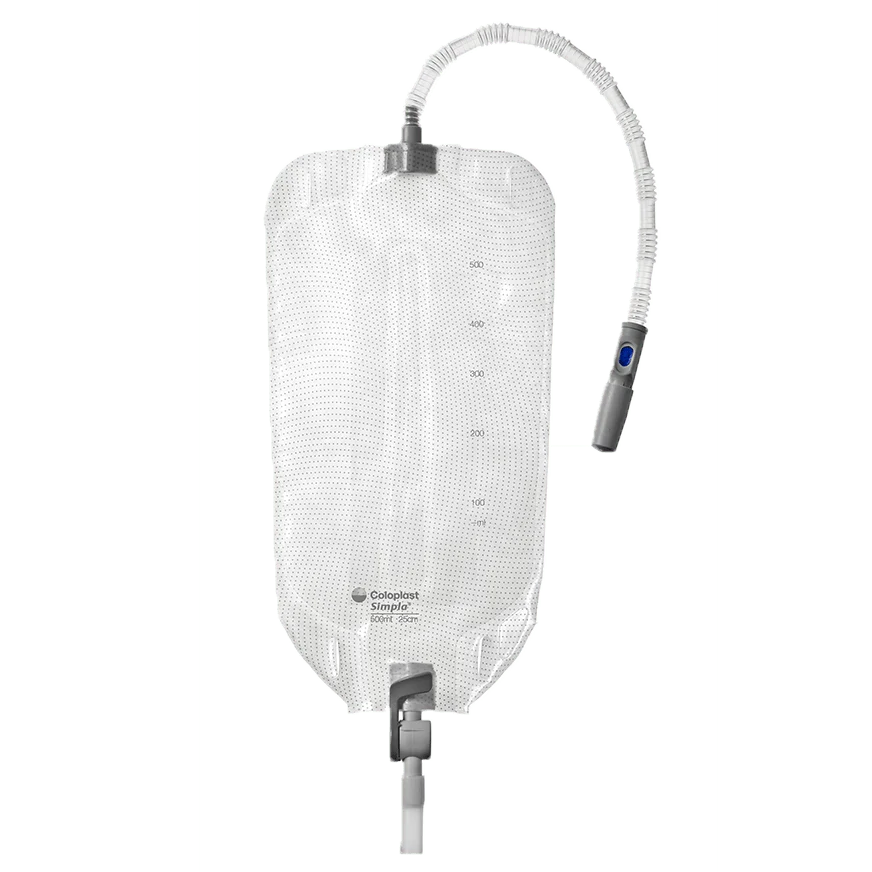
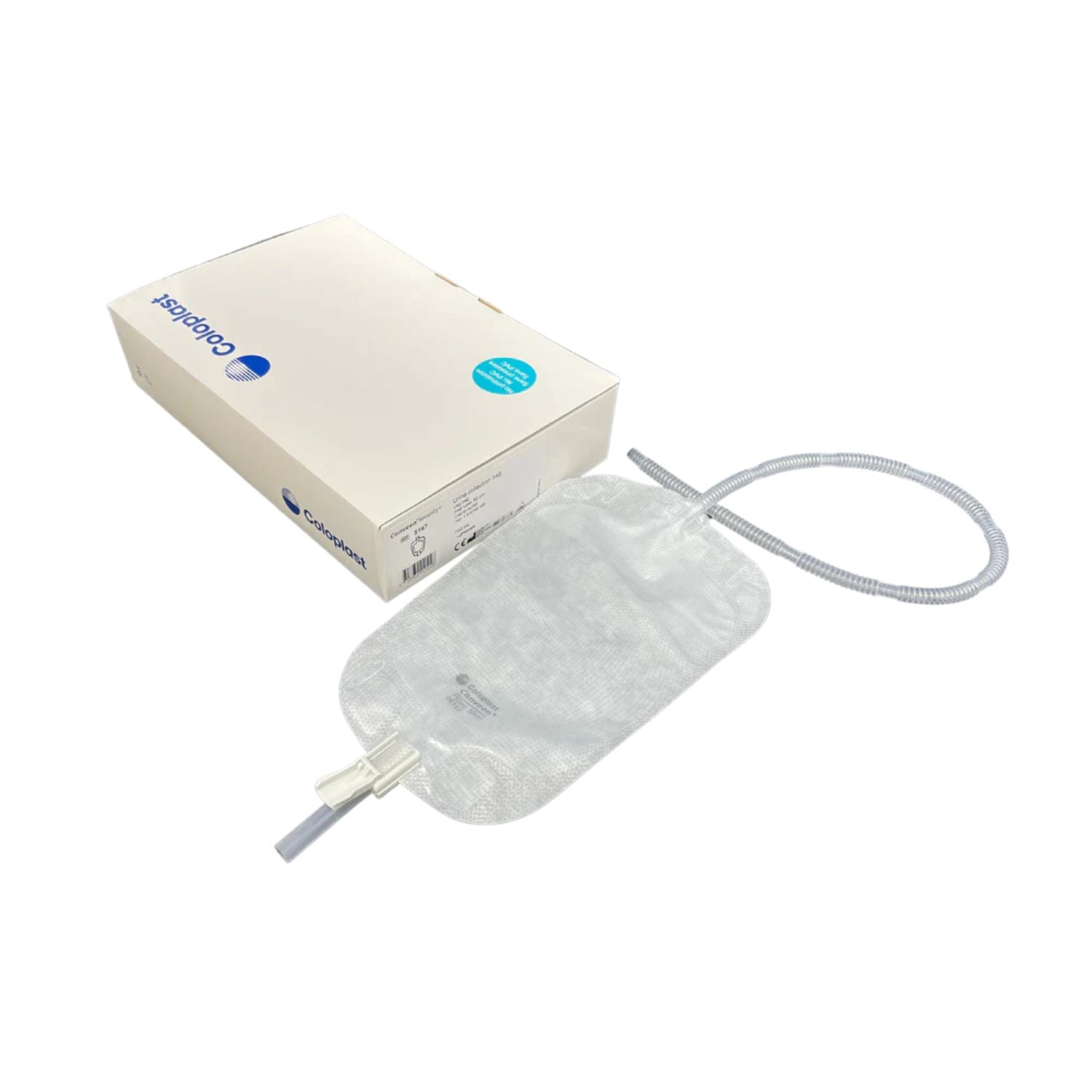
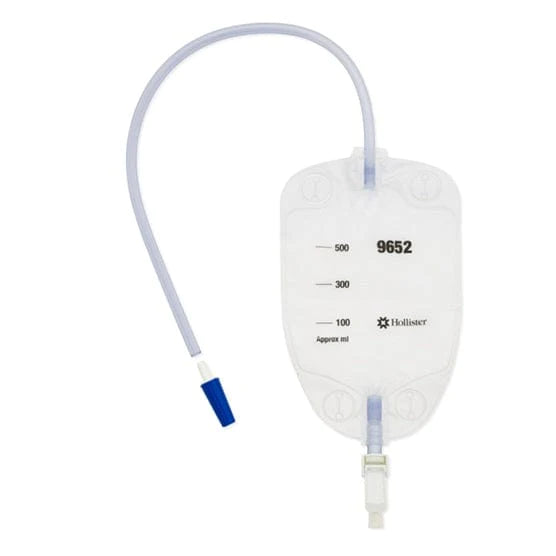

Key features:
- Sterile and non-sterile options available
- T-tap, slide tap, and no-outlet styles included
- Short and long inlet tube options to suit different setups
- Anti-reflux valve on selected products to prevent urine backflow
- Sample port available on selected products for clinical monitoring
Leg Bag or Night Bag : Which One Do You Need?
Leg bags and night bags serve different parts of the day, and most users need both as part of a full drainage routine. Leg bags are worn discreetly under clothing during the day, suited to movement and daily activity, while night and bed bags offer larger capacity and longer tubing so they don't need emptying through the night.
Sterile options may be required in clinical settings or after a catheter change, so it's best to follow clinical advice on this.
If you're using both together, confirm the night bag is compatible with your leg bag's outlet before connecting, and pair it with a leg bag strap or holder for a complete daytime setup.
For other catheter-related products, browse the wider catheters range.
Safe Use and Handling Checks
- Keep the drainage bag positioned below bladder level at all times to support proper urine flow.
- Check that tubing is not twisted, kinked, or trapped under the body.
- Empty the bag before it becomes too full or heavy.
- Check the connection between the catheter and bag regularly to make sure it is secure.
- Follow the product instructions and clinical advice for bag changes, emptying, and disposal.
- Seek clinical advice if there is pain, leakage, blockage, cloudiness in urine, or signs of infection.
FAQs
The bag should be emptied before it becomes too full or heavy, rather than on a fixed schedule. Follow the product instructions and any guidance from a healthcare professional for your specific routine.
The bag should be emptied before it becomes too full or heavy, rather than on a fixed schedule. Follow the product instructions and any guidance from a healthcare professional for your specific routine.
The bag should always be kept below bladder level to allow urine to drain properly and prevent backflow. This applies whether it's worn on the leg during the day or attached to a stand or hook overnight.
The bag should always be kept below bladder level to allow urine to drain properly and prevent backflow. This applies whether it's worn on the leg during the day or attached to a stand or hook overnight.
Tube length depends on how much movement is needed in bed. A 120cm tube suits most users, while a 150cm option gives extra slack for those who move around more during sleep.
Tube length depends on how much movement is needed in bed. A 120cm tube suits most users, while a 150cm option gives extra slack for those who move around more during sleep.
Pain, leakage, blockage, cloudy urine, or signs of infection should be checked with a healthcare professional. Regularly checking the connection between the catheter and bag can help avoid issues before they arise.
Pain, leakage, blockage, cloudy urine, or signs of infection should be checked with a healthcare professional. Regularly checking the connection between the catheter and bag can help avoid issues before they arise.