



Key features:
- Anti-kink and long-tube options for flexible placement
- Needle-free sample ports on selected drainage bags
- Sterile drainage options available on selected products
- Long tube and tap outlet options available, depending on the product
- NDIS-claimable for eligible participants under Consumables
First Decide Where the Bag Will Sit
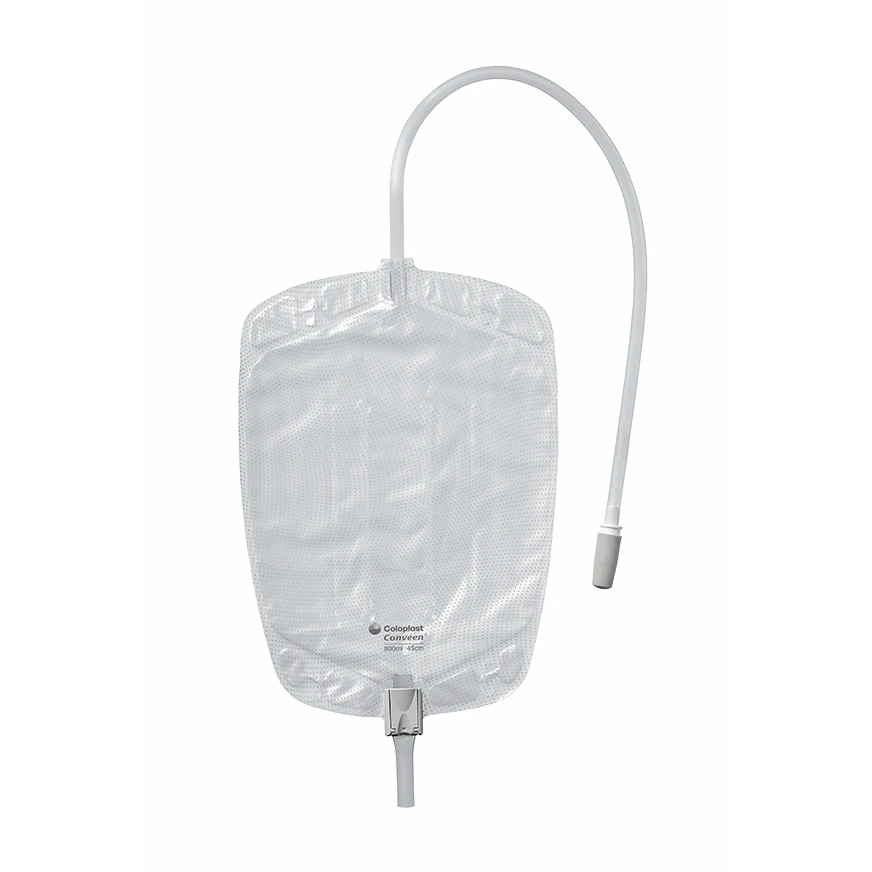
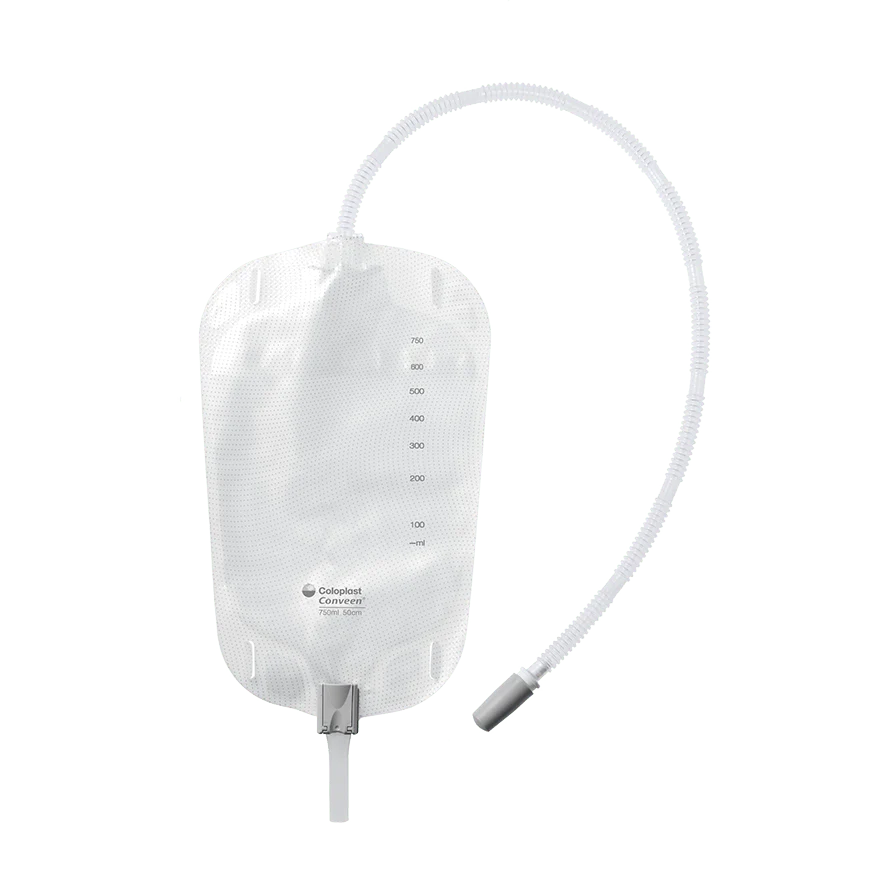
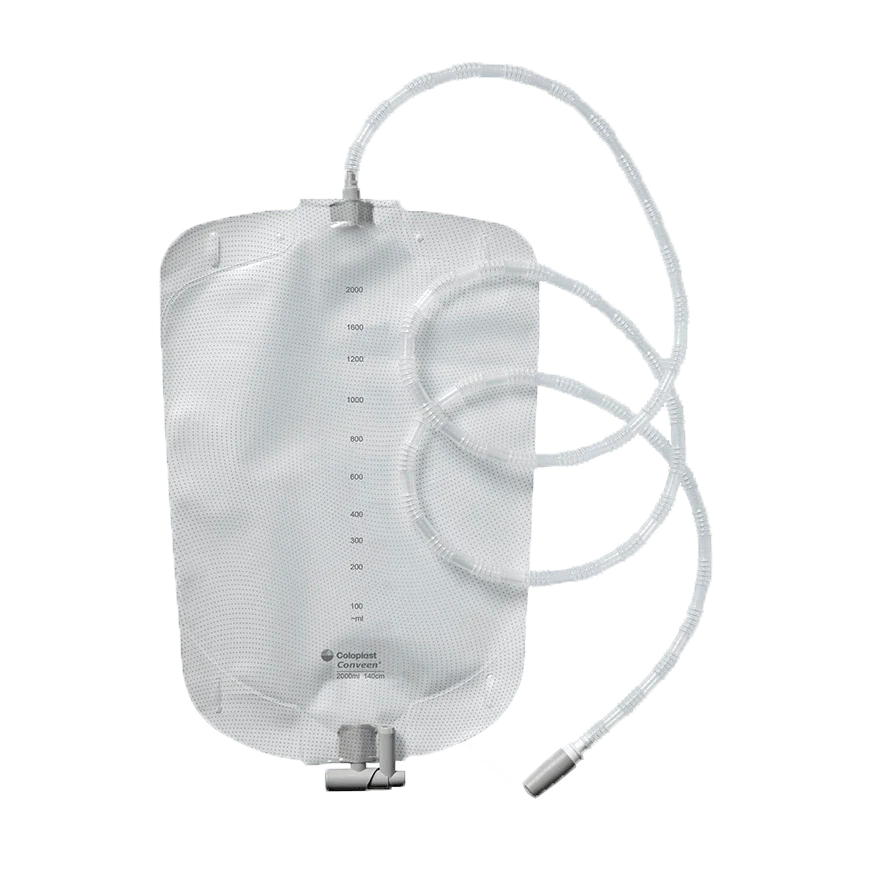
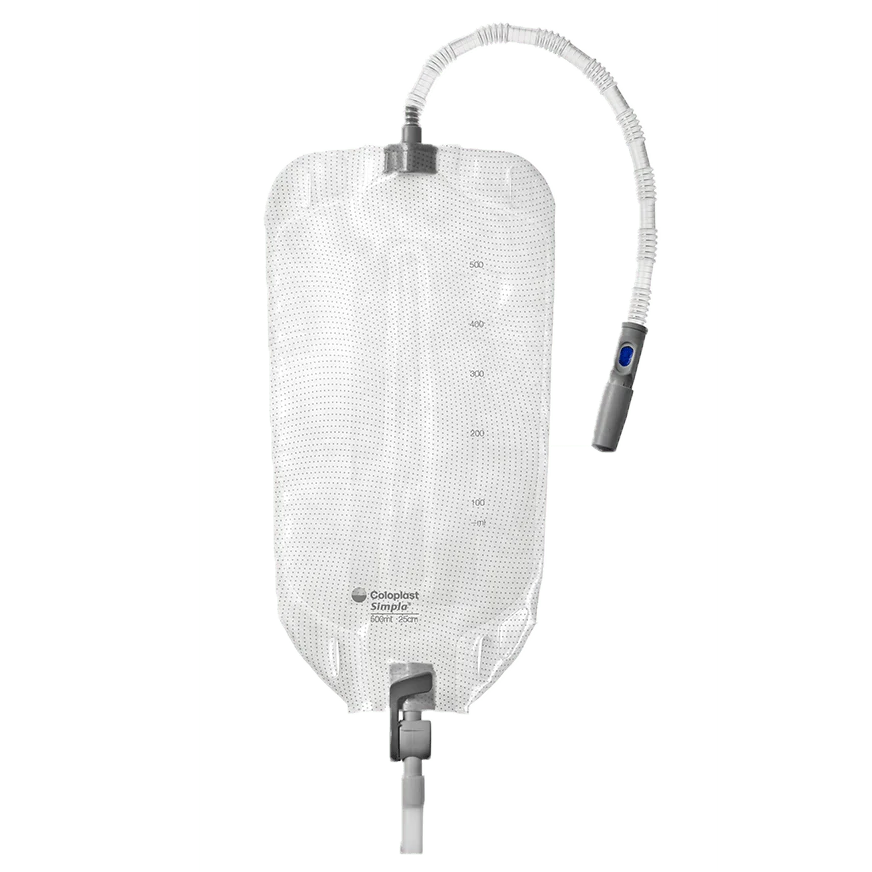
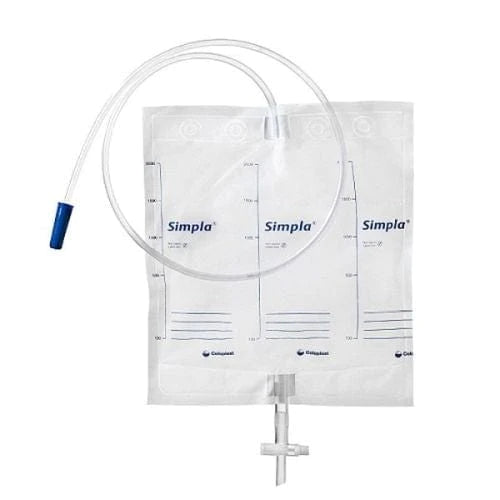
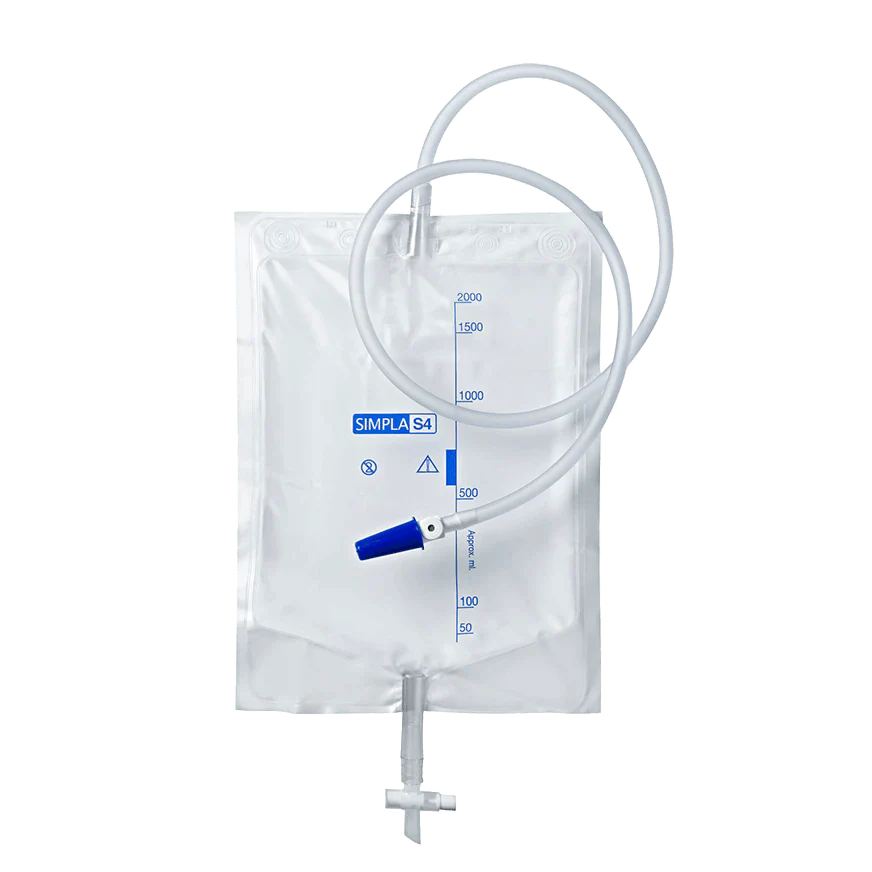
Not every product in this range is used in the same way. Some Coloplast bags are made for discreet leg placement during the day, while larger 2000ml drainage bags are better suited to bed rest, overnight use, or situations where higher capacity is needed.
- Choose a 500ml leg bag if the priority is daytime wear, movement, and easier concealment under clothing.
- Choose a larger 2000ml drainage bag if the person needs more capacity during rest, overnight drainage, or assisted care.
- Check tube length carefully, especially if the bag needs to sit lower on the leg or beside the bed.
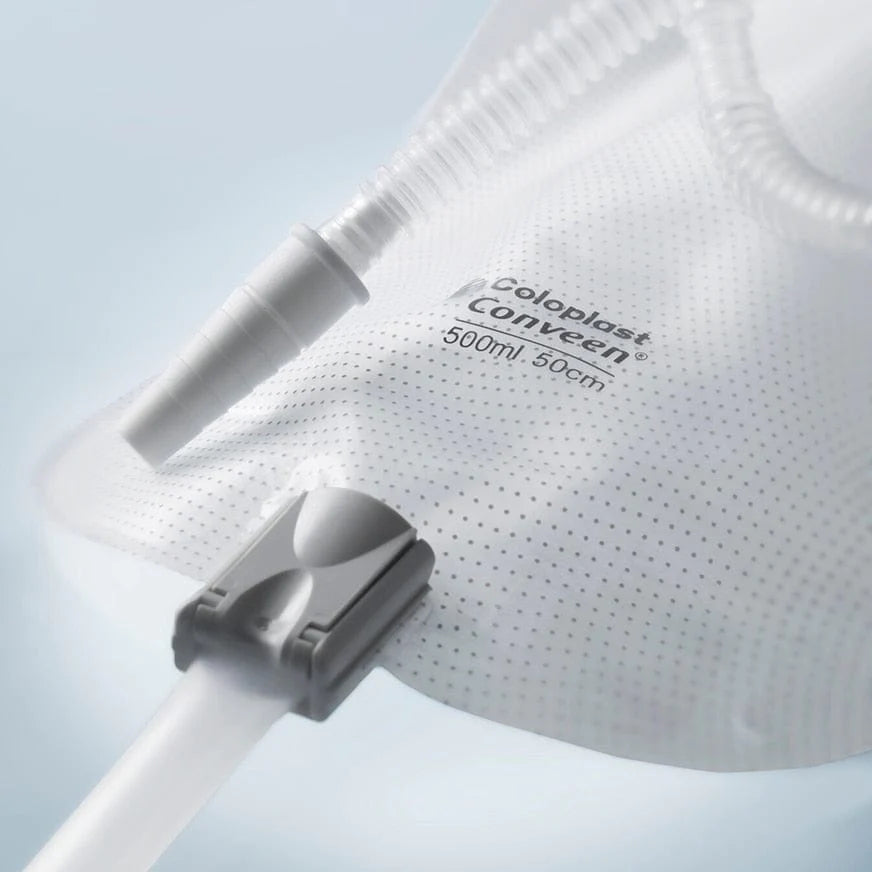
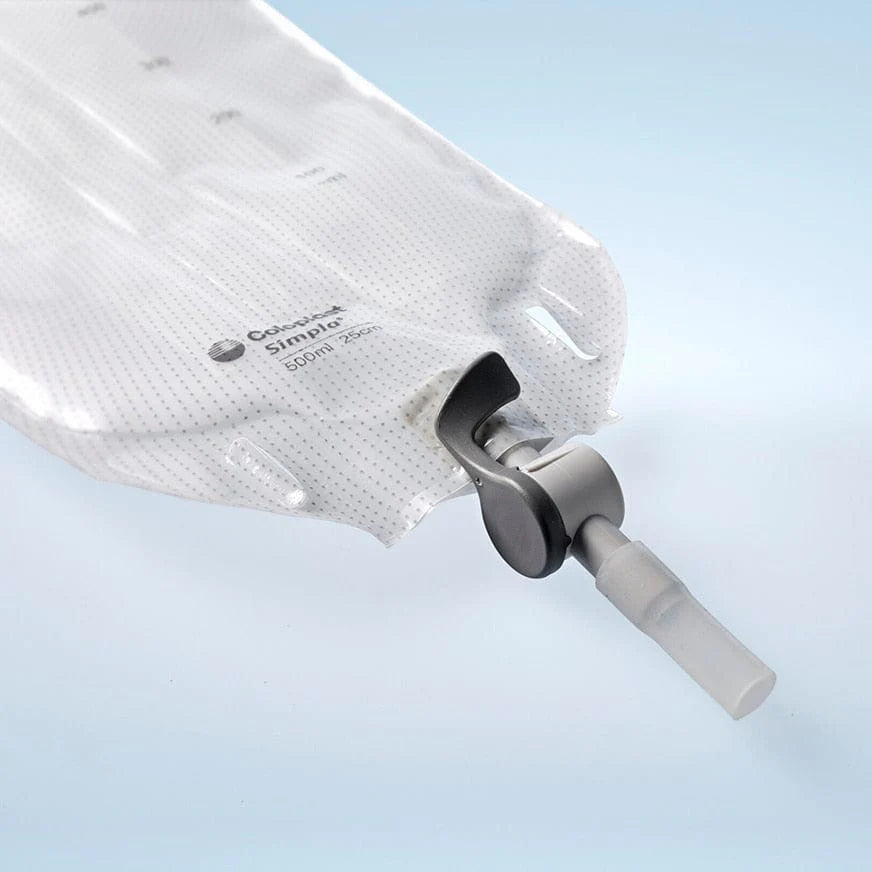
- Consider outlet style if hand strength, dexterity, or carer-assisted emptying is part of the routine.
- Make sure the bag is compatible with the catheter, sheath, or drainage system being used.
- If the main need is daytime mobility, the wider leg bags range may help with comparison.
- If the product is mainly for sleeping hours, compare with night bags before choosing.
FAQs
Choose based on how the bag will be used. A 500ml or leg bag may suit daytime wear and mobility, while a 2000ml drainage bag may be more suitable for longer rest periods, overnight use, or higher-capacity drainage needs.
Choose based on how the bag will be used. A 500ml or leg bag may suit daytime wear and mobility, while a 2000ml drainage bag may be more suitable for longer rest periods, overnight use, or higher-capacity drainage needs.
Some Coloplast leg bag options are designed for discreet wear under clothing, depending on the size, placement, and support method. A smaller capacity bag is usually easier to conceal, but it may need to be checked and emptied more often.
Some Coloplast leg bag options are designed for discreet wear under clothing, depending on the size, placement, and support method. A smaller capacity bag is usually easier to conceal, but it may need to be checked and emptied more often.
Check that the connector is compatible, the tap is closed before use, and the tubing is not kinked or pulling. The bag should be positioned correctly for drainage, and any catheter or sheath setup should follow product instructions or clinical advice.
Check that the connector is compatible, the tap is closed before use, and the tubing is not kinked or pulling. The bag should be positioned correctly for drainage, and any catheter or sheath setup should follow product instructions or clinical advice.
Change frequency depends on the specific product and the care routine. Some bags may be single-use or changed according to clinical guidance, so always follow the product label, manufacturer instructions, or advice from a healthcare professional.
Change frequency depends on the specific product and the care routine. Some bags may be single-use or changed according to clinical guidance, so always follow the product label, manufacturer instructions, or advice from a healthcare professional.